

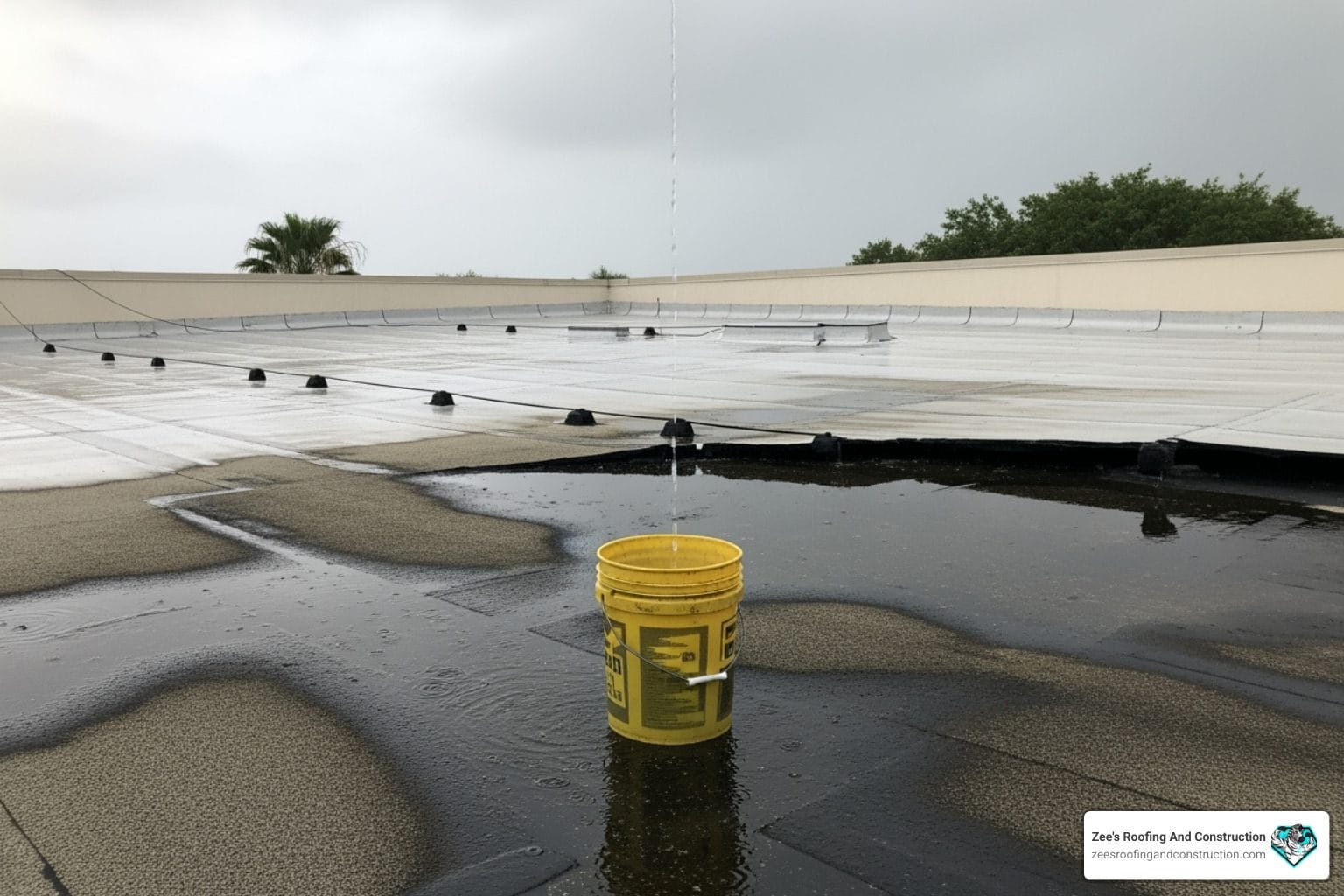
Roof leak signs in Florida can appear fast and quietly. Between heavy summer storms, brutal UV exposure, and hurricane season, Central Florida roofs take a constant beating. This article walks you through the warning signs that matter most so you can catch problems before a small drip turns into soaked ceilings, mold, or structural rot that costs far more to repair.
If you own a home in the Orlando area, here’s the reality: most water intrusion doesn’t start with a dramatic drip. It starts with a faint smell in the attic, a soft spot on the ceiling, or a yellowish ring near a vent. By the time you see active water, the damage has been building for weeks.
Table of Contents
Why Roof Leak Signs Are Hard to Catch in Florida
Florida’s climate is relentless. Storms roll through Central Florida almost daily from May through October. The National Weather Service tracks storm activity across the region, and the numbers are clear: Orlando and surrounding communities see more rainfall events per year than most of the country. That repeated soaking puts roofs in Sanford, Lake Mary, Winter Springs, and DeLand under near-constant moisture pressure.
Water rarely enters and drips straight down. It finds a cracked flashing seal or a lifted shingle edge, then travels along the roof deck and insulation before appearing on your ceiling. By the time damage is visible indoors, you may already have wet insulation, mold growth, and softened decking that needs to be replaced.

The Most Common Roof Leak Signs to Watch For
1. Water Stains on the Ceiling
A water stain on the ceiling is one of the clearest warnings your roof is failing, but the stain rarely sits directly below the source. Water travels along rafters before it drips. A yellowish or brownish ring near a vent, chimney, or skylight means moisture has already been moving through your attic. Get someone up there before the next rain.
2. Granule Loss in Your Gutters
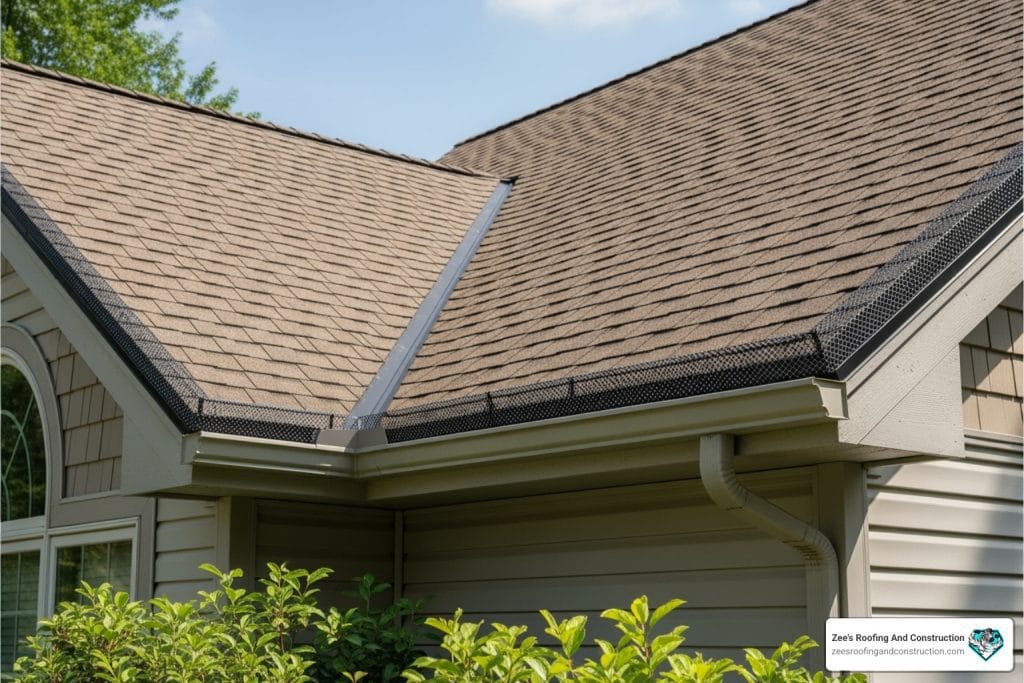
After a storm, check your gutters. Heavy granule loss all at once is a warning sign that shows up before visible shingle damage from the ground. Granules protect the shingle from UV breakdown. Once a section loses coverage, it degrades quickly in the Florida sun and becomes a water entry point. You’ll see the residue collecting in downspouts.
3. Peeling Paint or Soft Drywall Near Rooflines
Moisture working through a wall cavity shows up as bubbling paint or soft drywall near the top of an exterior wall. In Florida this often gets blamed on humidity alone, but if it’s near a roofline or on an upper floor, it points toward the roof as the source. Don’t paint over it without ruling out a leak first.
4. Attic Moisture and Mold
Get into the attic after any significant storm. Wet insulation, dark staining on the decking, and a musty smell all indicate active water infiltration. Florida’s warm climate means mold can take hold within 24 to 48 hours of moisture exposure. Black or green growth on wood means the problem has already moved past the roof surface.
5. Daylight Showing Through the Roof Boards
If you’re in the attic during daylight and you can see pinpoints of light through the decking, those are the same gaps water uses. It’s one of the easier roof leak signs to spot yourself. Look for it around nail pops, aged pipe boots, and dried-out ridge caps. If you see it, schedule an inspection the same day.
Quick Reference: Roof Leak Signs by Location
Location | Roof Leak Signs to Look For | Urgency |
Ceiling interior | Water stain, soft drywall | High |
Attic | Wet insulation, mold, daylight gaps | High |
Exterior walls | Bubbling paint, discoloration near roofline | Medium |
Gutters | Heavy granule buildup post-storm | Medium |
Roof surface | Cracked flashing, lifted shingles, soft spots | High |
After a Storm: What to Check Before You Call
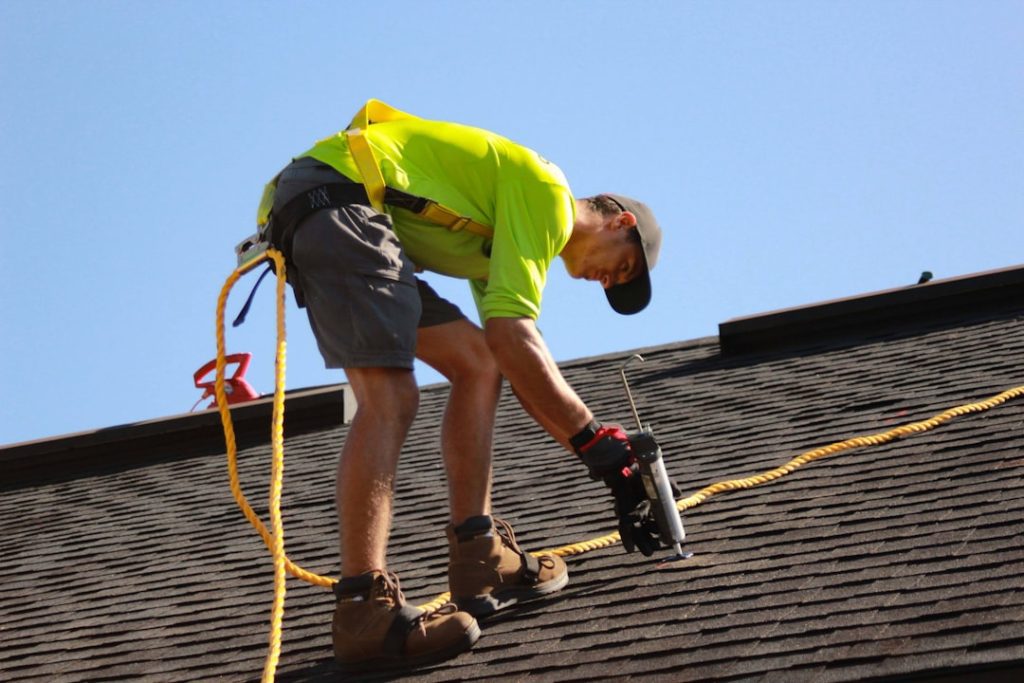
Central Florida storms can shift from routine to severe in under an hour. After any storm with wind above 40 mph or significant hail, walk your property and look for these roof leak signs before calling a contractor:
- Missing, cracked, or lifted shingles along the ridge or edges
- Damage around pipe boots, vents, and chimney flashing
- Water pooling on flat or low-slope roof sections
- Fascia or soffit damage along the roofline
- Fresh ceiling stains or attic moisture that weren't present before the storm
If you spot damage after a storm, roof leak repair in Sanford FL should be on your list of calls that day. Wet damage that sits for 48 hours in Florida’s heat starts developing secondary problems quickly.
How Professionals Locate and Confirm a Roof Leak
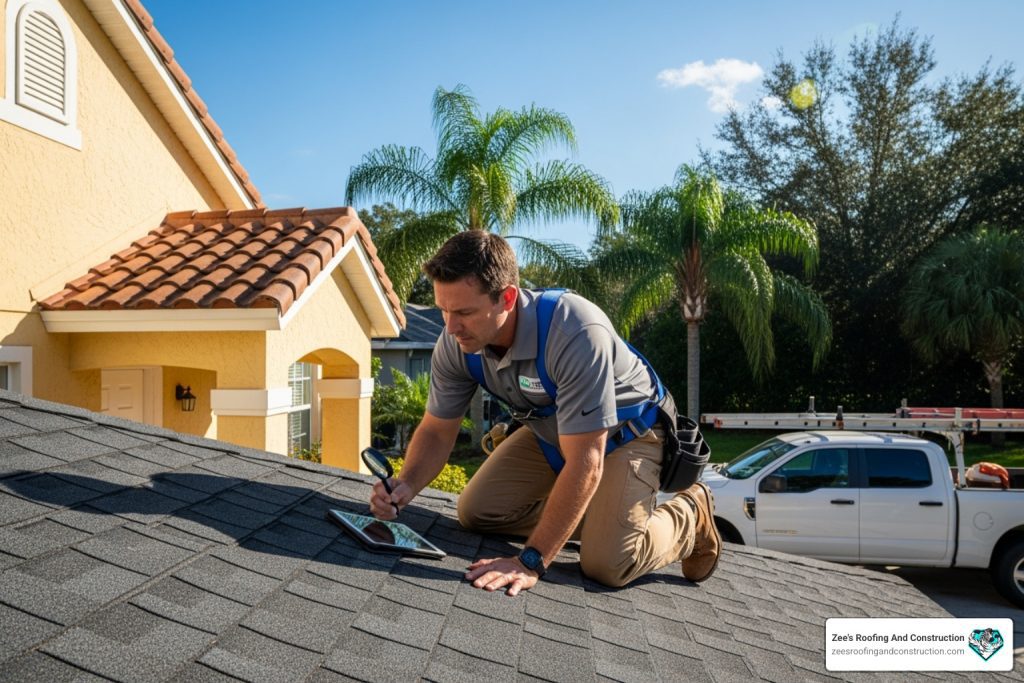
A proper diagnosis doesn’t start on the roof surface. When a roofer works through how to find a roof leak, the process starts in the attic to trace where moisture is entering before anything is checked from outside. That’s how you find roof leak signs that aren’t visible from the ground.
For flat and low-slope roofs the repair process changes depending on the membrane type. This Old House covers what to expect when patching a leaking rubber roof, including how blistering, cracking, and seam failure each present differently.
A thorough post-storm inspection checks flashing at every penetration, tests pipe boot adhesion, and probes for soft decking that can’t be seen from the ground. That’s the difference between a real repair and a patch that fails at the next rain.
The Real Cost of Waiting on Roof Leak Signs
It’s common to put off roof leak signs until the budget opens up. In Florida that logic tends to be expensive. High humidity and heat mean wet wood, insulation, and drywall deteriorate faster here than in drier climates. What looks manageable today can become a mold and decking replacement job within a few weeks.
If you’re weighing whether to act now or wait, this post on why you shouldn’t wait for a leak to replace your roof lays it out clearly. A $400 repair today can become a $4,000 repair six months from now once decking and insulation replacement enter the picture.
Act on Roof Leak Signs Before the Next Storm
The best time to address roof leak signs is before a storm makes the decision for you. If you’ve noticed any of the warning indicators covered above, or if your roof is ten or more years old without a professional look-over, an inspection is the right first step.
Zee’s Roofing and Construction serves homeowners across Central Florida including Orlando, Sanford, Lake Mary, Winter Springs, and DeLand. If you want a post-storm inspection or a straight answer on what your roof actually needs, give us a call.
Frequently Asked Questions
What are the most common roof leak signs in Florida homes?
The most common roof leak signs include water stains on the ceiling, wet or discolored attic insulation, granule buildup in gutters after a storm, peeling paint near rooflines, and mold growth in the attic. Florida’s heat and rainfall accelerate damage once moisture gets in.
How do I know if I need emergency roof repair after a storm?
If you see active dripping, fresh ceiling stains, or visible structural damage like missing shingles or exposed decking, treat it as urgent. Call for a same-day inspection if possible. Waiting another storm cycle makes the damage worse.
Can these warning signs appear without visible damage on the roof surface?
Yes. Interior damage often appears before anything is visible from outside. A water stain on the ceiling or mold in the attic can mean a flashing failure or a cracked pipe boot that isn’t obvious until someone gets into the attic.
How much does roof leak repair cost in Central Florida?
Costs vary depending on what’s failing. A flashing repair might run a few hundred dollars. Repairs involving decking replacement cost significantly more. A roof inspection is the only way to understand what you’re actually dealing with before pricing the work.
How often should Florida homeowners schedule a roof inspection?
Once a year is a reasonable baseline in Central Florida. Any significant storm should trigger an additional check regardless of timing. Getting ahead of roof leak signs early is always cheaper than repairing what they become.