

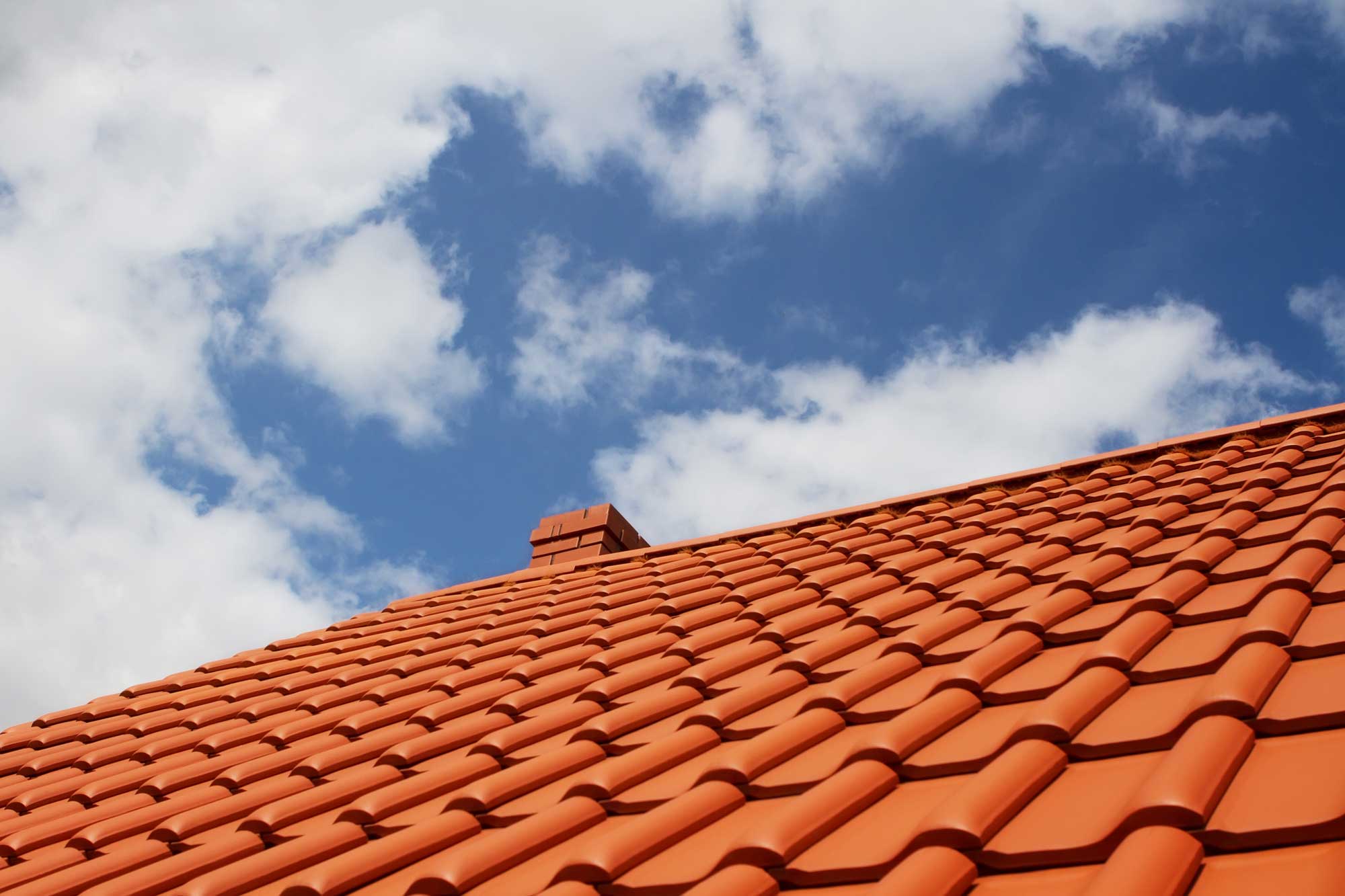
This guide covers the real clay tile roof pros and cons that Florida homeowners in the Orlando area need to weigh before making a decision. You will find honest comparisons with concrete tile, practical maintenance expectations, cost context, and the questions worth asking any contractor you consider hiring.
Drive through Winter Park, Apopka, or most established Orlando neighborhoods and a clay tile roof is hard to miss. They are popular for good reason, but that does not mean one is the right call for every home or budget.
Table of Contents
Why Tile Roofs Are So Popular Across Florida
Florida’s mix of intense UV exposure, high humidity, salt air near the coasts, and hurricane-season storms makes roofing material selection more consequential here than in most states. A clay tile roof handles that environment exceptionally well. Fired clay does not rot, does not attract insects, and resists corrosion better than many metal panels do in coastal conditions.
The thermal mass of tile slows heat transfer into the attic. On a 95-degree afternoon in Orlando, that natural insulating quality makes a real difference in how hard your AC has to run from April through October. Beyond performance, the Spanish colonial and Mediterranean architecture that defines so much of Central Florida just suits tile.

Clay Tile Roof Pros Florida Homeowners Rely On
Long Lifespan
A quality installation in Central Florida routinely lasts 50 years or more. Compare that to an asphalt shingle roof that realistically needs replacement every 15 to 20 years in Florida’s high-UV climate, and the long-term math shifts considerably. If you plan to own your home for decades, that lifespan gap is significant.
Fire and Wind Resistance
A clay tile roof earns a Class A fire rating, the highest category available. That matters during Florida’s dry months when wildfire and brush fire risk increases beyond the urban core. For hurricane resistance, tile installed to current Florida Building Code wind load requirements performs well in major storms. After significant weather events, tile roofs in the Orlando area frequently need only spot repairs while nearby asphalt roofs face full replacement.
Energy Performance
The profile of tile creates natural airflow between the tile surface and the roof deck below. According to the U.S. Department of Energy, roofing systems that reduce attic heat gain can lower cooling costs meaningfully in hot climates. Tile achieves that outcome by design, without requiring additional product layers.
Clay Tile Roof Cons Worth Knowing
Structural Weight
Tile is heavy. Depending on the profile, you are looking at 850 to 1,100 pounds per square, which means per 100 square feet of roof surface. Not every home is framed to carry that load. Before any tile installation moves forward, a structural review is necessary. On older Orlando homes or smaller post-war builds, retrofitting the framing is possible but adds real cost.
Higher Upfront Investment
Installation costs significantly more per square than asphalt shingles. Materials, specialized labor, and the time required to properly set each tile all push the number up. If your timeline for owning the home is under seven years, the return on that investment may not fully materialize before you sell.
Repair Complexity
Individual tiles crack over time from foot traffic, falling branches, or normal weathering. Replacing one sounds simple but requires a roofer who knows how to work on a clay tile roof without breaking the surrounding field. Matching older tile profiles and colors adds difficulty. Any time you have a roof leak in Orlando under tile, the diagnosis and repair process is more involved than with asphalt.
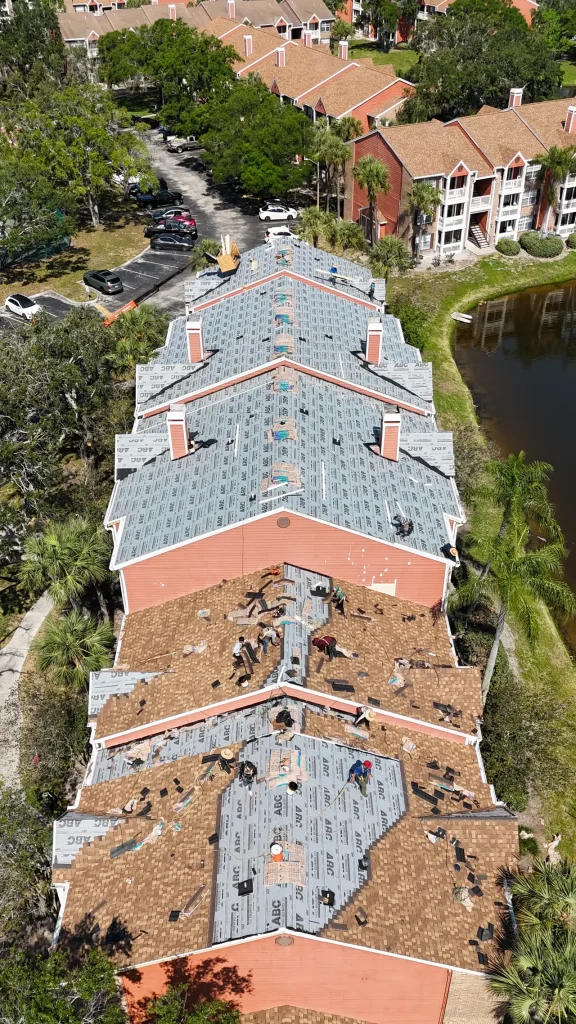
Clay vs Concrete Tile Roofs in Florida's Climate
When comparing clay vs concrete tile roofs, both perform well in Florida. The table below lays out the key differences side by side.
Factor | Clay Tile Roof | Concrete Tile Roof |
Lifespan | 50+ years | 40-50 years |
Weight per Square | 850-1,100 lbs | 900-1,200 lbs |
Color Retention | Fired in; slow to fade | Surface-coated; fades faster |
Upfront Cost | Higher | Moderately lower |
Hurricane Resistance | Excellent when code-installed | Excellent when code-installed |
Maintenance | Annual inspection; replace cracks | Annual inspection; re-seal as needed |
For most Central Florida homeowners, clay tile wins on long-term aesthetics and durability. Concrete tile is a solid alternative when upfront budget is the primary constraint.
Tile Roof Florida Maintenance That Actually Matters
Keeping tile in good shape in Florida’s climate is not complicated, but skipping it creates expensive problems. Here is what every owner should be doing:
Annual inspection
Walk the perimeter and look for cracked, slipped, or missing tiles. Hire a roofer for the actual surface, foot traffic is a leading cause of breakage.
Underlayment monitoring
The felt or synthetic underlayment beneath a clay tile roof is the actual waterproof barrier. In Florida’s heat and humidity, it typically lasts 20 to 30 years. When it fails, leaks follow even if the surface looks fine.
Algae and moss treatment
Florida’s year-round humidity grows biological staining fast. Zinc or copper strips near the ridge slow regrowth. Soft washing removes existing buildup without the pressure that cracks individual tiles.
Valley and flashing inspection
Flashings around chimneys and skylights are common leak points on any tile system. Check these annually, especially after hurricane season ends in November.
Gutter cleaning
Tile sheds debris into gutters quickly. Clogged gutters force water back under tile edges and accelerate underlayment failure.
For homeowners in the Apopka area, the pattern of heavy summer rain followed by drier winters makes the post-storm inspection particularly important for any tile system.
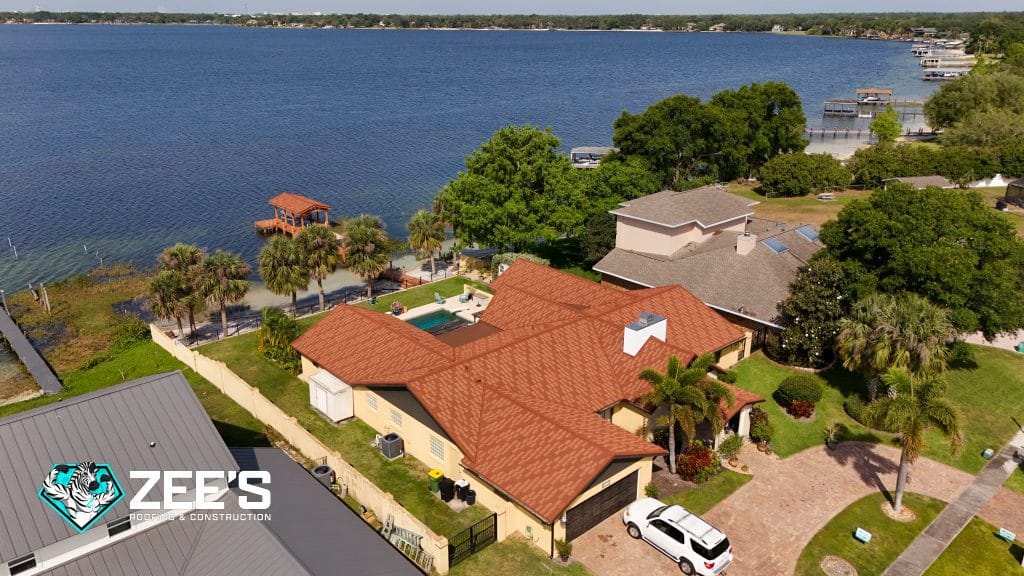
When a Clay Tile Roof Makes Sense vs Asphalt or Metal
Asphalt shingles cost less to install and are simpler to repair, but in Central Florida’s heat they degrade faster than in cooler climates. A standard architectural shingle roof in Orlando realistically needs replacement every 15 to 20 years. Metal roofing offers comparable longevity at similar cost, and some homeowners find the look less suited to traditional Florida architecture.
Tile makes the most sense when you plan to own the home for 20 or more years, the structure can handle the weight, the architecture fits the style, and hurricane and fire resistance are priorities. If you are preparing a home for sale in the short term, asphalt may give adequate curb appeal at lower cost. But for a long-term owner in a Spanish-style or Mediterranean build in the Orlando area, tile is often the better long-term investment.
For additional context on roofing material comparisons, Consumer Reports and This Old House both offer useful guides on product performance and costs.
What to Ask Before Choosing a Clay Tile Roof Contractor
Not every roofing crew has real tile experience. Before you hire, ask these questions directly:
- How many tile installations have you completed in Central Florida, and can I see photos or references?
- Will you do a structural load assessment before installation begins?
- What underlayment product do you use, and what warranty does it carry?
- How do you handle tile matching for a repair five or ten years from now?
- Are you licensed and insured, and do you know current Orange or Seminole County permit requirements for tile?
A contractor who gives vague answers to any of those questions is worth walking away from. Tile installed incorrectly is expensive to fix.
Ready to Talk About a Clay Tile Roof for Your Florida Home?
The clay tile roof pros Florida homeowners value most are well-earned: long lifespan, hurricane resistance, energy performance, and curb appeal that holds up for decades. The trade-offs around structural weight, upfront cost, and repair complexity are equally real. Going in with both sides of the picture is how you make a decision you can stand behind.
If you are in the Orlando area and want an honest conversation about whether a clay tile roof fits your home and your budget, contact Zee’s Roofing and Construction for a no-pressure assessment from contractors who work this market every day.
Frequently Asked Questions
What are the main clay tile roof pros Florida homeowners should weigh?
The biggest clay tile roof pros Florida buyers point to are a lifespan of 50-plus years, a Class A fire rating, strong hurricane resistance when installed to Florida Building Code standards, and natural attic heat reduction. The material also holds its appearance far longer than asphalt in Florida’s high-UV environment.
How does tile hold up in Florida hurricane conditions?
Tile installed with hurricane clips or foam-set systems performs well in high winds. After major storms, tile sections in the Orlando area frequently require only spot repairs while nearby asphalt roofs need full replacement. Proper installation and code compliance matter more than the material alone.
What does tile roof Florida maintenance look like?
Tile roof Florida maintenance includes annual visual inspections, prompt replacement of cracked or displaced tiles, soft-wash cleaning for algae, and periodic underlayment checks. The underlayment is the true waterproof layer and typically needs replacement every 20 to 30 years even when the tiles above still look good.
How does clay tile compare to concrete tile in Florida's climate?
Clay holds its color better over time because the pigment is fired through the material rather than applied as a surface coating. Both clay and concrete tile offer comparable hurricane resistance and similar lifespans. Concrete costs somewhat less upfront but may need resealing to maintain appearance in Florida’s sun and rain.
When should I call a roofer about a tile issue?
Call a licensed roofer any time you notice missing or cracked tiles, water stains on interior ceilings, or signs of deterioration along the edges of your roof. One cracked tile can expose the underlayment to UV and moisture damage, turning a minor repair into a major expense if ignored too long.