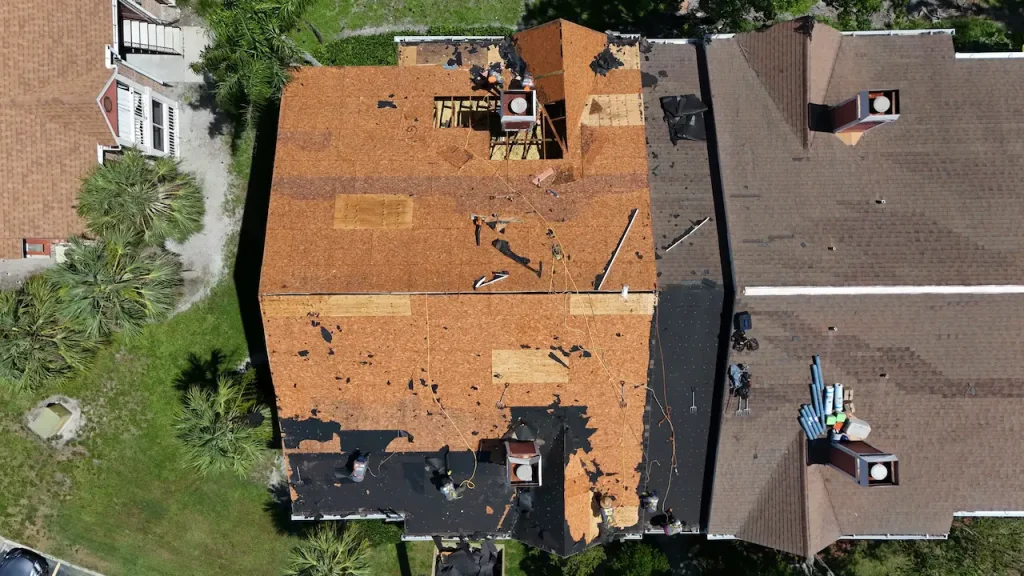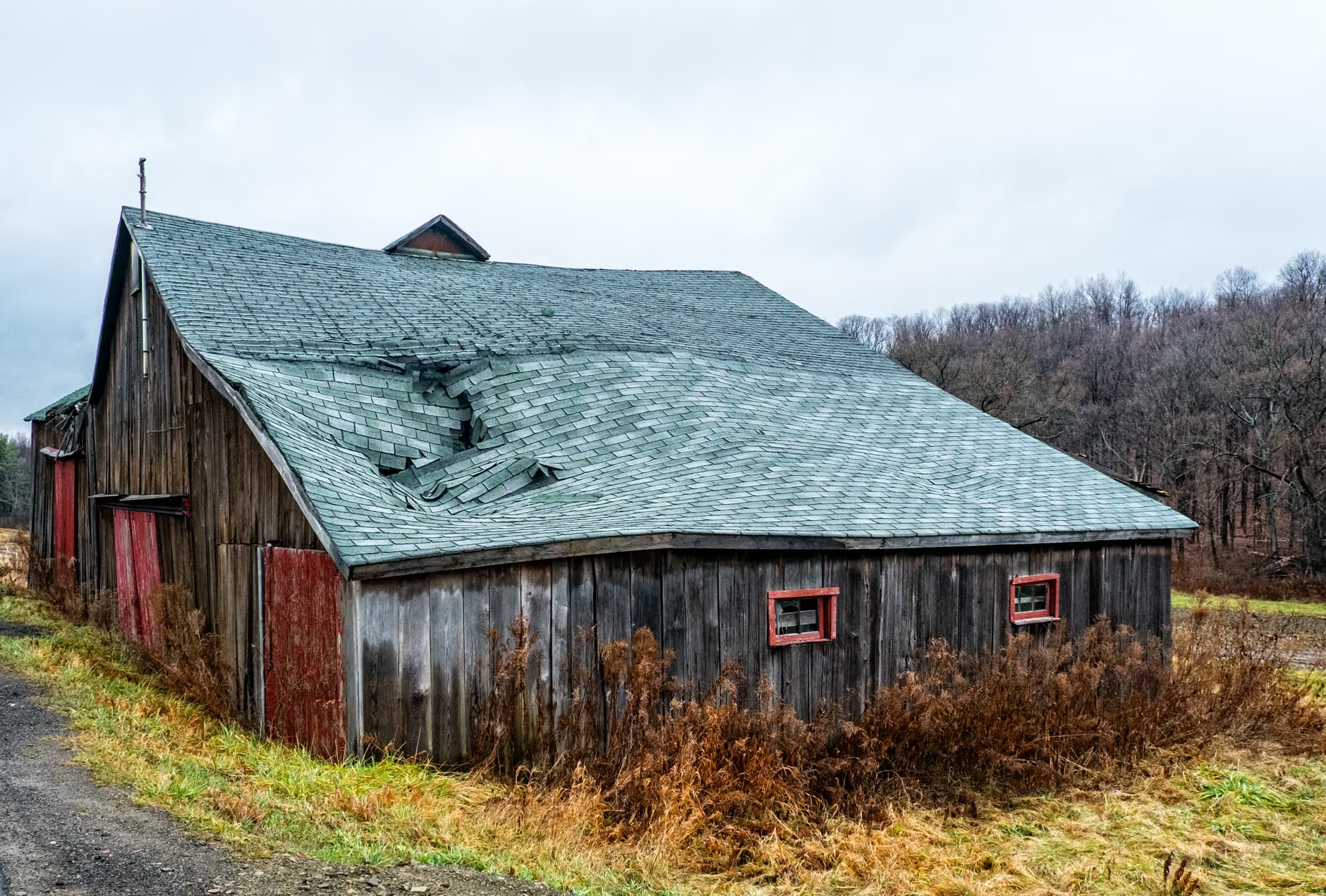
Sanford, with its tropical climate, knows a thing or two about storms. After any storm, especially those heavy in wind and rain, our roofs take a beating. You might find yourself looking up at your shingles, wondering if they’ve held up. That’s the moment to pay attention. In storm season, winds can top 74 mph, easily dislodging shingles or breaking tiles. Heavy rain can pool in places it shouldn’t, leading to leaks. And it doesn’t take long for a small issue to turn into a costly repair if left unchecked. So let’s talk about how to assess roof damage after the sky clears in Sanford. We’ll cover what to inspect, how to spot issues early, and when to call a professional. Being proactive now can save a lot of hassle (and money) down the line.
Identifying Shingle Damage
Shingle roofs are common in Sanford, but they’re not invincible. After a storm, start by looking for missing or torn shingles. High winds can easily lift shingles right off the roof. If you notice bald spots—sections where granules are missing—that’s also a sign of trouble. Granules protect shingles from UV rays; without them, shingles age faster. Curled shingles, either at the edges or corners, indicate weathering and poor sealing. Another spot to inspect is the ridge, where the wind pressure is greatest. If you see any of these signs, it might be time to get a professional in to assess the potential for leaks or further damage. Storm damage roof repair can help address these issues.
Checking Tiles for Cracks and Breaks
Tile roofs, while durable, can still suffer during storms. We often see cracked or completely broken tiles after a big blow. Always check the valley areas where debris might accumulate. Look for hairline cracks or complete breaks. Even a small crack can let water seep in, and during Florida’s rainy season, that’s a recipe for disaster. Another common issue is displacement. If a tile looks out of place, it might have been shifted by wind or impact. Remember, the quicker you address these issues, the better. Water damage spreads fast, and tiles aren’t cheap to replace. Consider reading more about clay tile roof pros cons to understand the strengths and weaknesses of tile roofing.
Inspecting Roof Flashing
Flashing is the unsung hero of your roof, providing a water-tight seal around vents, chimneys, and skylights. After storms, inspect these areas closely. Flashing can become loose or bent, especially where it joins with other roofing materials. Check for rust or corrosion, which weakens the metal over time. Pay particular attention to the joints, where leakage is most likely to occur. Any visible damage here means water might have already started getting into your home. If the flashing shows significant wear or damage, consider making repairs before the next downpour. Roof leak repair Sanford FL can address these issues effectively.
Assessing Gutters and Downspouts
Gutters might not seem like part of the roof, but they play a key role in directing water away from your home. After heavy rain, check for clogs—Sanford’s leafy neighborhoods can leave gutters full of debris. Also, inspect for sections coming loose or bent by strong winds. Overflowing gutters can cause water to back up onto the roof, leading to leaks and water damage inside your home. Make sure downspouts are clear and attached properly. If they’re not directing water several feet away from your foundation, you’ve got a potential problem.
Spotting Signs of Leaks Inside
Sometimes, the first sign of roof damage isn’t on the roof at all. Instead, it shows up inside your home. Water stains on ceilings or walls, mold, and mildew, or a musty smell are red flags. During Sanford’s storm season, these signs can mean water is sneaking in somewhere it shouldn’t. Even if you don’t see obvious roof damage from the outside, these interior signs shouldn’t be ignored. They point to issues that, if not addressed, could cause a lot more damage. Learn more about roof leak signs to catch problems early.
Evaluating the Roof’s Eaves and Overhangs
The edges of your roof, where it overhangs your walls, catch the brunt of wind and rain. After a storm, check these areas for damage or signs of rot. Look for chipped paint, mildew, or sagging materials. The soffit and fascia, which seal the edges, should be secure and intact. If water gets into these areas, it can compromise the structure of your roof and home. Keep an eye on these details to prevent bigger problems from developing.
Understanding Seasonal Timing for Roof Maintenance
Sanford’s storm season typically runs from June through November. It’s wise to schedule a roof inspection either in late spring, before the storms hit, or after the season ends. This timing helps catch any minor issues before they become major problems. Regular inspections might reveal wear and tear that isn’t storm-related, like aging materials or small leaks that need attention. Even roofs that look fine from the ground can have hidden issues. Keeping up with preventive roof maintenance ensures your roof is ready to withstand whatever weather comes its way.
Questions to Ask Your Roofing Contractor
When it’s time to call in a professional, having the right questions can make a big difference. First, ask about their experience with storm damage specific to Sanford. Local knowledge can be invaluable. Inquire about their inspection process. Will they check the attic and inspect underlayment or just what’s visible from the ground? Ensure they provide a detailed report with their findings. Ask about repair options and the lifespan of the materials they suggest. Finally, confirm their licensing and insurance—this protects you and ensures you’re working with a reputable contractor. Roof repair vs replacement can help you understand your options.
Understanding Roofing Material Lifespans
Knowing the lifespan of your roofing materials helps plan for future repairs or replacements. Asphalt shingles, the most common in Sanford, typically last 20 to 30 years if maintained properly. Tile roofs are more durable, often lasting 50 years or more, though this depends on the quality of the installation and materials. Regular inspections and maintenance can extend these lifespans, catching small problems before they lead to full replacements. Be aware that harsh weather can shorten a roof’s lifespan, especially if issues aren’t addressed quickly. Best roofing materials Florida can provide more insights on material choices.
When to Call a Professional
Sometimes, the damage isn’t obvious, even when it’s there. If you’re unsure about what you’re seeing, or the idea of climbing a ladder doesn’t appeal, it’s wise to call in a professional. We have the tools and expertise to identify problems before they become significant. And let’s face it, navigating a roof safely requires experience. Roofers know what to look for, even in hard-to-spot places like the underlayment and flashing details. Don’t wait until you notice water dripping in your living room. Get a check-up done after any significant storm to catch issues early. Expert roofers in Lake Monroe FL are ready to help.
Key Takeaways
- Check for missing or damaged shingles after storms.
- Inspect tile roofs for cracks or shifts.
- Examine flashing for rust, bends, or looseness.
- Ensure gutters are clear and properly attached.
- Look for interior signs like water stains or musty odors.
- Eaves and overhangs need close inspection for rot or sagging.
- Schedule regular inspections to catch issues outside of storm season.
- Ask detailed questions when choosing a roofing contractor.
Conclusion
After Sanford’s storm season, inspecting your roof for damage is vital. A quick walk-around can reveal tell-tale signs like missing shingles or cracked tiles. Don’t overlook flashing and gutters, as they are often where troubles lurk. Interior signs like water stains can point to bigger issues, so take them seriously. If you’re in doubt, calling a professional for an assessment can save time and prevent future headaches. Catching damage early means a more reliable roof when the next storm rolls in.
References