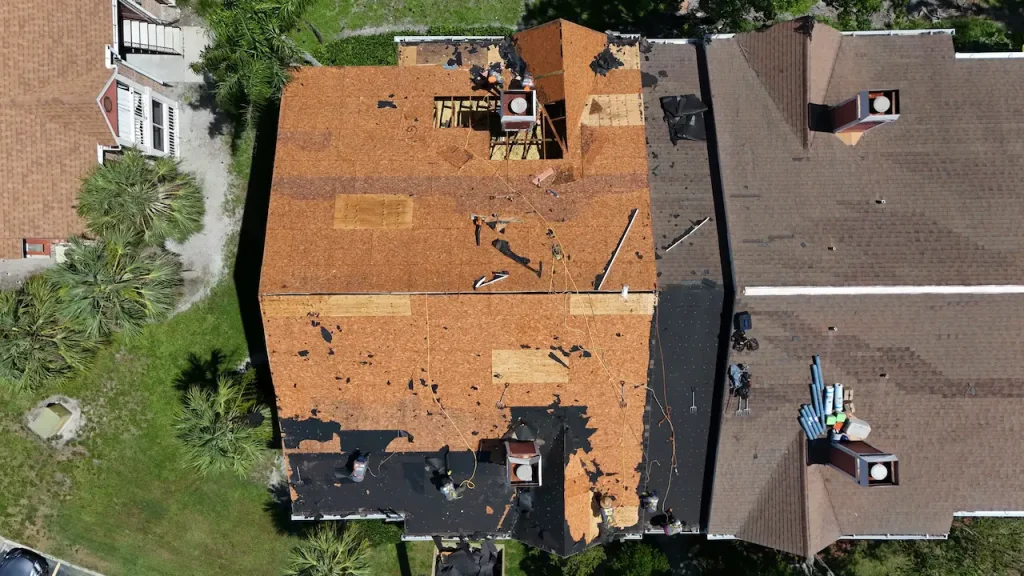
Sanford, nestled in central Florida, offers its residents a warm and humid climate. While this is great for citrus trees and sunrises by the lake, it’s a different story for roofing. Many homeowners notice their shingles curling or spotting leaks during an afternoon downpour. The persistent heat and humidity can deteriorate roofing materials faster than a cooler climate would. When the weather turns rainy, water might sneak past aging barriers, finding its way into attics and ceilings. Let’s talk about the specific roofing challenges in Sanford and how to tackle them.
Asphalt Shingle Deterioration
Asphalt shingles are the most common roofing material. In Sanford’s heat, they face a unique set of challenges. High temperatures cause expansion and contraction, leading to cracks. Over time, these openings allow water to seep in, causing further issues. The humidity adds another layer of complication. Moisture can accelerate the growth of mold and mildew, which isn’t just unsightly—it weakens the integrity of the shingles.
The sun’s UV rays beat down hard here, too. This constant exposure can bleach shingles, making them brittle and prone to breaking. A solution we often recommend is opting for shingles with a reflective coating. These deflect the sun’s rays, reducing the impact of heat and extending the roof’s life. Keeping an eye on the roof and scheduling regular inspections can catch minor issues before they become major problems.
The Impact of Humidity on Roof Ventilation
Humidity isn’t just an exterior problem. It affects attic ventilation, too. Proper ventilation is crucial to maintain a balanced roof system. Without it, moisture builds up inside the attic, leading to wood rot and increased cooling costs as your HVAC works overtime.
The ideal solution is ensuring your attic has a balanced system of intake and exhaust vents. Ridge vents, soffit vents, and gable vents work together to create a flow of air that keeps moisture levels in check. Inspections should include a check of vent screens for blockages. In some cases, adding more vents can improve airflow dramatically.
Metal Roofing and Heat Reflection
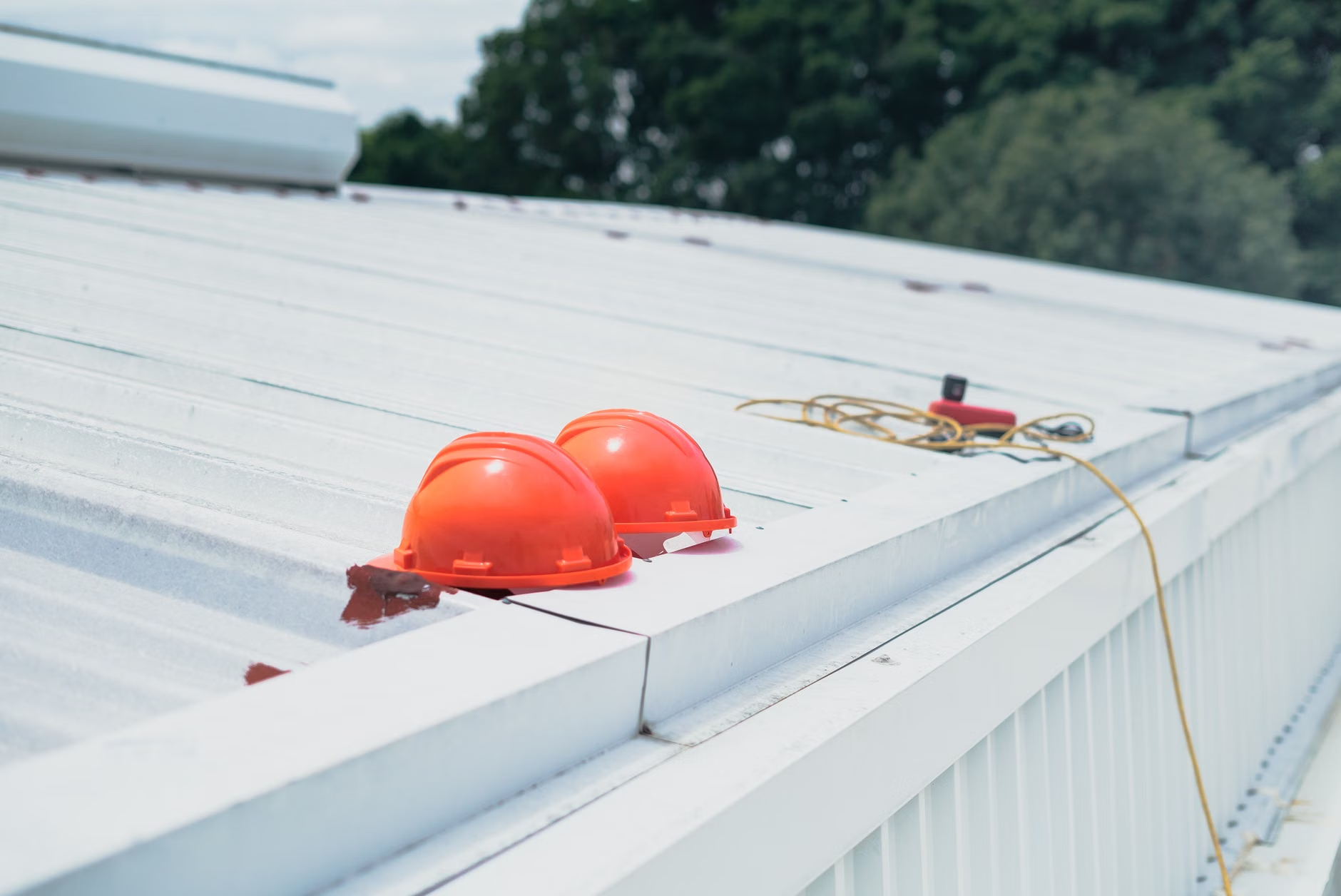
For those considering alternatives to asphalt, metal roofing stands out in Sanford. It’s durable and can handle the temperature swings Florida dishes out. Painted metal roofs have reflective coatings that deflect sunlight, reducing surface temperatures significantly.
These roofs also benefit from a longer lifespan, often lasting 40-70 years with proper maintenance. This durability and energy efficiency make metal roofing a solid choice for homeowners looking to invest in lasting solutions. However, it’s key to ensure proper installation: poor workmanship can lead to leaks and corrosion around fasteners.
Dealing with Moss and Algae Growth
Moss and algae are common roofing problems in Sanford. They thrive in humid environments, and when left unchecked, they can cause shingles to lift and allow water to infiltrate the roof deck.
Zinc or copper strips can be installed along the ridge of the roof. They release metal ions when it rains, which prevents moss and algae growth. Regular cleaning with a gentle solution can also keep growths at bay. It’s vital to avoid high-pressure washing: this may damage the shingles and shorten their lifespan.
Seasonal Timing and Roof Work
Timing roof work with the seasons in Sanford can make a big difference. The summer months bring intense heat and frequent thunderstorms, making spring and fall the best times for roof inspections and repairs. In spring, we check for damage from winter storms and prepare for hurricane season. In fall, we prepare for the cooler months and address any issues summer heat may have caused.
Working around the weather helps to ensure materials set properly and workers can perform their tasks safely. It’s also easier to schedule maintenance during these milder periods, avoiding the rush and potential delays during peak storm seasons.
Roofing Inspections and Maintenance Schedules
Regular inspections are critical to prolonging the life of any roof. In Sanford, scheduling a twice-yearly inspection—before the hurricane season and after the winter—helps catch problems early. Look for missing or damaged shingles, check flashing around chimneys and vents, and ensure gutters are clear of debris.
A good maintenance schedule includes cleaning the roof and gutters, as well as trimming back overhanging branches. This prevents leaves and debris from accumulating and causing moisture issues.
The Role of Underlayment in Weatherproofing
Underlayment acts as the second line of defense against Sanford’s weather. It sits beneath the shingles and serves as an additional waterproof barrier. Traditional felt underlayment is still used, but synthetic versions offer superior protection. They’re more resistant to moisture and heat, making them a wise choice for Florida’s climate.
Choosing the right underlayment during a new roof installation or re-roofing can significantly affect the roof’s longevity. It’s worth discussing options with your contractor to select the most appropriate material for your specific situation.
Local Building Codes and Regulations
Understanding local building codes is crucial when embarking on any roofing project in Sanford. The codes dictate minimum requirements for materials, installation methods, and safety measures, especially in areas prone to severe weather. For instance, roofs must withstand certain wind speeds and impacts. Knowing these codes ensures that your roof not only complies legally but also performs well under local conditions.
It’s wise to consult with professionals who are familiar with Sanford’s specific regulations. Their expertise can help navigate the codes, ensuring that the installation or repair job meets all necessary standards.
The Importance of Professional Installation
Getting a roof installed correctly the first time is crucial. Poor installation can lead to a host of problems: leaks, reduced lifespan, and voided warranties. In Sanford, finding a contractor familiar with local weather conditions is key. They understand how the climate impacts materials and can provide guidance on the best choices for your home.
Proper installation ensures that every component, from shingles to underlayment to flashing, is fitted correctly, maximizing your roof’s durability and performance. It’s a smart move to invest in skilled labor to avoid costly repairs down the line.
Roofing Materials Lifespan in Sanford
Different roofing materials have varying lifespans, particularly under Sanford’s climate conditions. Asphalt shingles typically last 15-20 years given the intense sun and humidity. Metal roofs, with their resilience, can last upwards of 40-70 years. Tile roofs, popular in Florida, can also endure for 50 years or more if well-maintained.
Understanding these lifespan expectations helps homeowners make informed decisions. If your roof is nearing the end of its lifespan, proactive replacement can prevent emergency repairs. Regular maintenance, as always, extends these lifespans.
What to Ask Your Contractor
When hiring a contractor in Sanford, it’s important to ask about their experience with local weather conditions. Inquire about the types of materials they recommend for the climate and their approach to ventilation and weatherproofing. Ask for references and examples of previous work.
Also, discuss their familiarity with local building codes and how they handle permits and inspections. A contractor’s knowledge of these factors ensures compliance and quality. Request a detailed proposal that outlines the scope of work, materials to be used, and a timeline for project completion.
Key Takeaways
- Asphalt shingles can crack under Sanford’s heat and humidity.
- Ventilation is essential to prevent moisture buildup in attics.
- Metal roofs offer heat reflection and durability.
- Regular maintenance and inspections catch issues early.
- Underlayment is a critical second line of defense.
Conclusion
Facing roofing issues in Sanford’s hot and humid climate means dealing with unique challenges. It’s all about choosing the right materials and maintaining a regular inspection schedule. Whether it’s installing reflective shingles or ensuring proper ventilation, the right choices can extend your roof’s life. If you’re unsure where to start, reach out. We’re here to help you find the best solutions for your home and ensure your roof stands strong against Florida’s toughest conditions.
References