

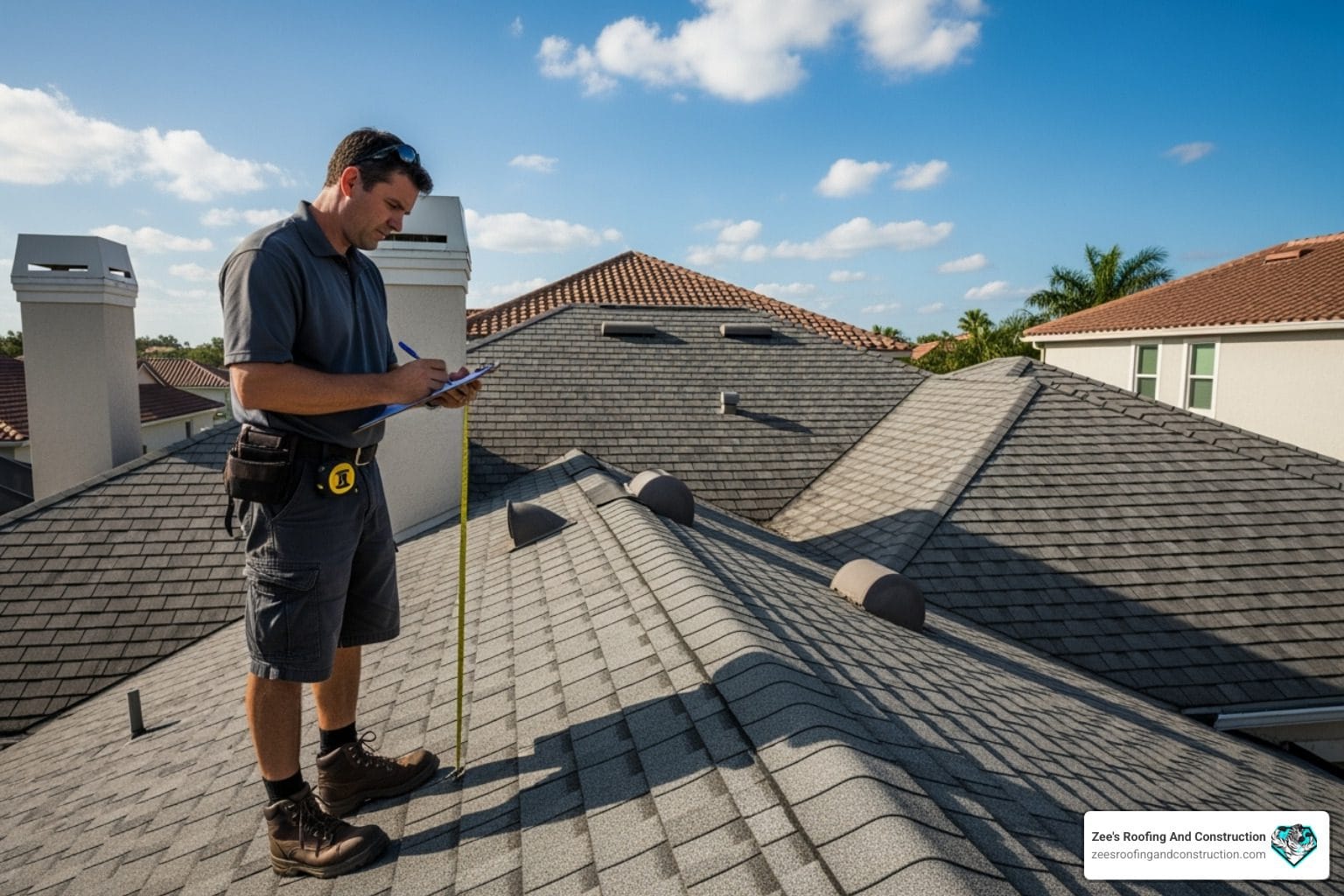
Why Your Apopka Roof Needs a Professional Inspection
Apopka roof inspections are professional evaluations of your roof’s condition, typically examining both exterior and interior components to identify damage, assess structural integrity, and determine remaining lifespan. Here’s what you need to know:
- How often: Annually and after any severe weather events (hurricanes, tropical storms, hail)
- What’s checked: Roofing materials, flashing, drainage systems, structural integrity, water intrusion, and ventilation
- Cost range: $75-$700, though many companies offer free initial inspections
- Types: Standard inspection, 4-Point Inspection (for insurance, homes 25+ years), Roof Certification (insurance requirement, valid 5 years), Wind Mitigation
- Why it matters: Insurance requirements, early problem detection, peace of mind, and avoiding costly emergency repairs
Living in Central Florida means your roof faces some of the harshest conditions in the country. Between intense summer heat, high humidity, and the very real threat of hurricane-season storms, your roof takes a beating year-round. As one local roofing company notes, “In Apopka, FL, a proper roof inspection is more than just a box to check; it’s a critical step in maintaining your property’s safety and longevity.”
The good news? A proactive approach to roof inspections can save you thousands of dollars and give you real peace of mind. Rather than waiting for water stains on your ceiling or missing shingles after a storm, regular inspections help you catch small problems before they become big, expensive headaches.
I’m Mike Martinez, founder of Zee’s Roofing & Construction, and I’ve spent years helping Central Florida homeowners protect their properties through thorough Apopka roof inspections and maintenance programs. Our veteran-led team understands that your roof is your home’s first line of defense, and we’re committed to keeping it in top condition.
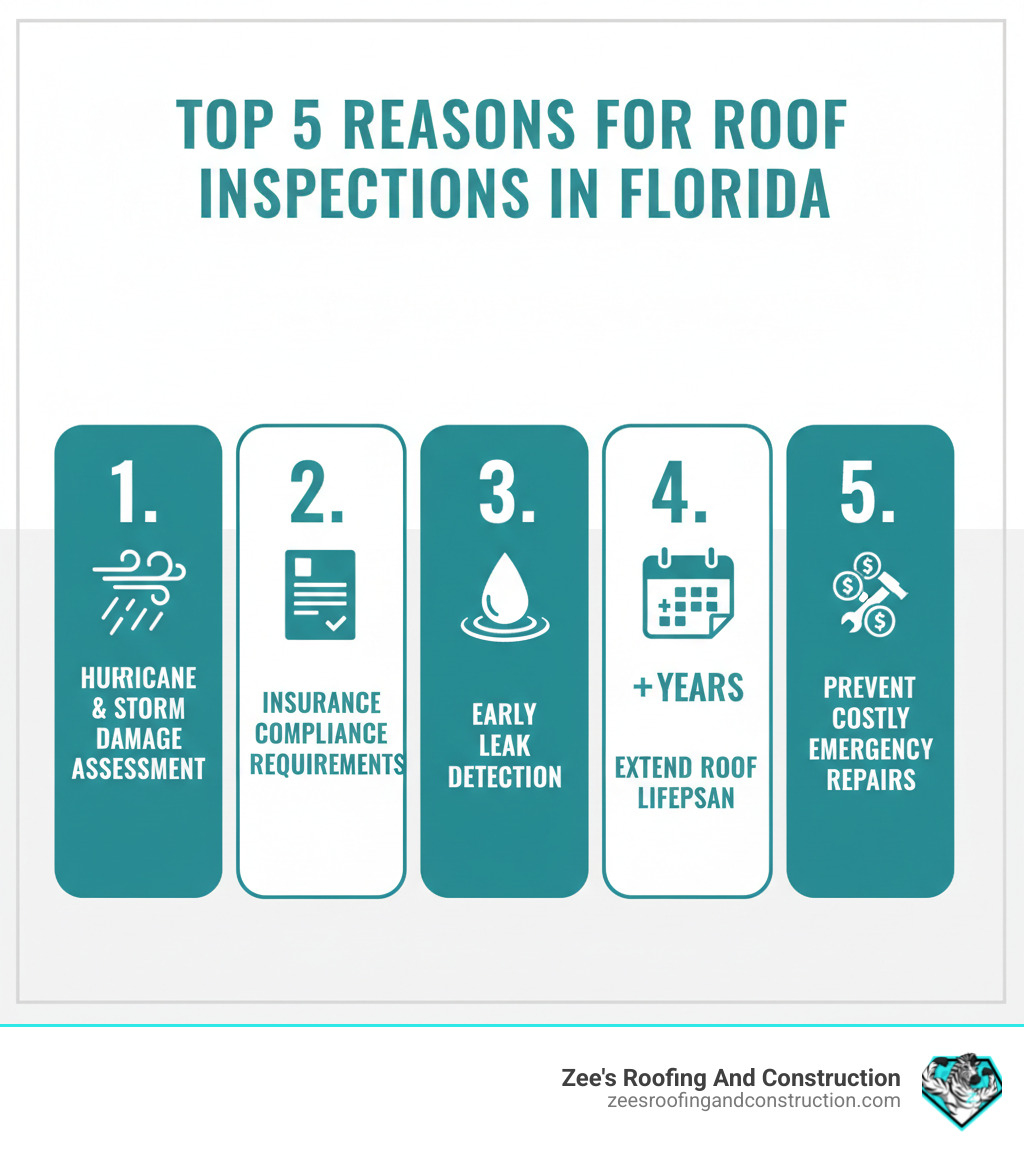
Why Apopka’s Weather Makes Roof Inspections Non-Negotiable
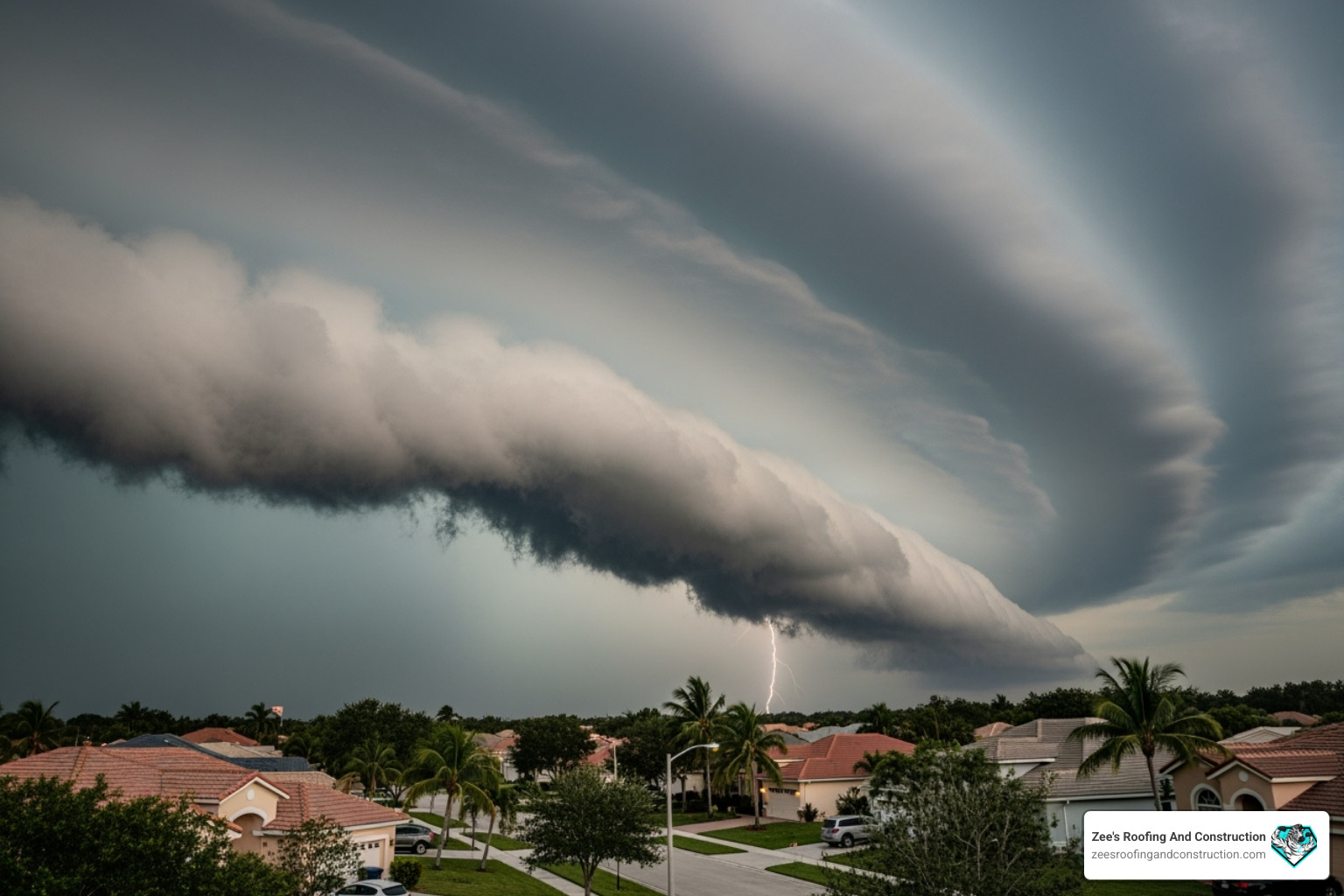
If you’ve lived in Apopka for any length of time, you already know our weather isn’t exactly gentle. Between the relentless summer sun and the nail-biting hurricane season, our roofs take a daily beating that homeowners in other parts of the country simply don’t experience.
Your roof isn’t just sitting up there looking pretty—it’s fighting a year-round battle against some of the most challenging weather conditions in the nation. That’s why Apopka roof inspections aren’t optional maintenance you can skip when money’s tight. They’re essential protection for one of your biggest investments.
Intense sun and heat top the list of roof enemies here in Central Florida. While we love our sunshine, those UV rays are brutal on roofing materials. Asphalt shingles become brittle and crack over time, losing the protective granules that keep them waterproof. But here’s what many homeowners don’t realize: it’s not just the heat itself—it’s the thermal shock from rapid temperature swings between scorching days and cooler nights. This constant expansion and contraction accelerates aging across all roofing materials, from tiles to metal panels.
Then there’s our famous high humidity, which creates the perfect environment for algae, moss, and mildew to take hold. Those dark streaks you see on roofs around the neighborhood? That’s not just cosmetic. These growths trap moisture against your roofing materials, leading to premature deterioration and potentially rotting the wood structures underneath.
Of course, we can’t talk about Apopka weather without addressing the elephant in the room: hurricane-force winds and tropical storms. The Florida Building Code has strict requirements for hurricane resistance, and for good reason. High winds can lift, tear, and completely remove shingles in minutes. Even if your roof survives the initial storm, subtle damage to flashing, seals, or individual shingles can create leaks that don’t show up until weeks later—often after your insurance claim window has closed.
Hail damage, while less common than wind and rain, can be devastating when it does occur. Those ice pellets dent metal roofs, crack tiles, and bruise asphalt shingles, compromising their waterproofing capabilities in ways that aren’t always immediately visible.
Heavy rains test your entire drainage system too. When gutters and downspouts get clogged with debris, water backs up under shingles, damaging fascia boards, soffits, and eventually finding its way inside your home.
The reality is that all these weather challenges work together, compounding damage over time. A small crack from thermal shock becomes a bigger problem when algae takes hold. Wind-loosened shingles fail faster during the next heavy rain. This is exactly why the Florida Building Code mandates such rigorous roofing standards—and why following those standards through regular inspections is so critical.
After any severe weather event—tropical storms, hurricanes, or even unusual hail—getting a professional inspection should be at the top of your to-do list. Even if everything looks fine from the ground, an experienced inspector can spot the subtle damage that leads to major problems down the road.
Want to know how often you should be scheduling these vital checkups? We’ve put together a comprehensive guide on How Often Should You Get Your Roof Inspected in Florida? that breaks down the recommended timeline based on your roof’s age, material type, and recent weather exposure.
The bottom line? In Apopka, regular roof inspections aren’t about being overly cautious—they’re about being smart with your investment and staying one step ahead of our notoriously challenging weather.
Signs Your Apopka Roof Is Crying Out for an Inspection
Your roof is constantly trying to tell you something. The problem? Most of us don’t speak “roof language.” Learning to recognize the early warning signs that your roof needs attention can save you thousands of dollars and prevent serious damage to your home.
Here’s the truth: small problems with roofs can quickly spiral into major disasters. A tiny crack today becomes a massive leak tomorrow. That’s why acting fast when you spot these warning signs is so important.
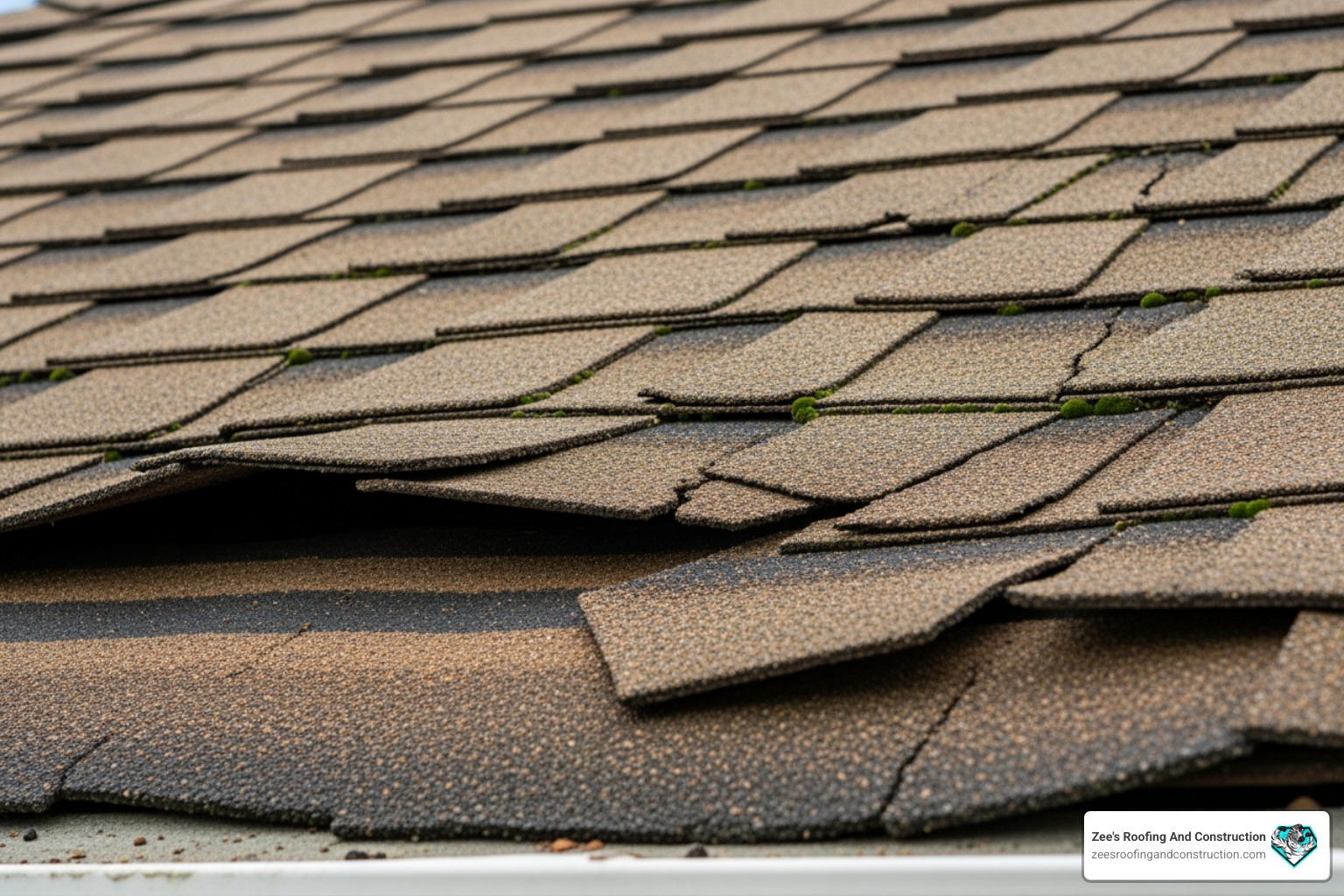
Missing or damaged shingles are usually the first thing homeowners notice. After a storm rolls through Apopka, take a walk around your property and look up. Are there gaps where shingles should be? Do you see shingles that are curled, cracked, buckled, or blistering? These are all signs that your roofing materials are aging and losing their ability to protect your home.
If you have an asphalt shingle roof, check your gutters regularly. Finding a significant amount of granules in your gutters—those sand-like particles that look like coarse pepper—is a direct red flag. These granules are the protective armor of your shingles. Once they’re gone, your roof becomes vulnerable to UV damage and weather deterioration.
Water stains on your ceiling or walls are perhaps the most alarming sign. Those yellow or brown spots spreading across your ceiling? That’s your roof screaming for help. Don’t ignore these stains, even if they seem small. By the time water makes it through your roof deck, underlayment, and insulation to leave a visible mark, you already have a serious problem that needs immediate attention.
A sagging roof deck visible from the street indicates structural trouble. This isn’t something you can patch up with a quick fix—it suggests water damage, inadequate support, or excessive weight has compromised your roof’s foundation.
Pay attention to the metal strips around your chimney, skylights, and vents. This damaged flashing is one of the most common sources of roof leaks. If the flashing is bent, rusted, cracked, or pulling away from the roof surface, water has an easy path into your home.
Those dark streaks running down your roof aren’t just cosmetic issues. Algae, moss, or fungi growth means moisture is getting trapped on your roof surface. In Apopka’s humid climate, this is especially common. Over time, moss can actually lift your shingles, making them vulnerable to wind damage.
Sometimes the signs are less obvious. Have your energy bills suddenly jumped without explanation? Poor roof ventilation or compromised insulation—often symptoms of underlying roof problems—could be the culprit. Hearing strange noises in your attic? Pests might have found their way in through gaps or holes in your roof.
And here’s something many homeowners forget: even if your roof looks fine, age matters. If your asphalt shingle roof is approaching 15-20 years old, it’s time for a professional Apopka roof inspection, even without visible damage.
Nobody wants to feel insecure in their own home. Waiting too long to address a leaking roof can lead to mold growth, rotted wood, and in extreme cases, structural damage that puts your entire home at risk. Small cracks and gaps can cause permanent damage in surprisingly little time.
We offer free roof inspections to help you catch these problems early. If you’re seeing any of these warning signs, don’t wait. For a deeper dive into when your roof needs professional attention, check out our guide on Roof Repair or Replacement: 7 Clear Signs to Watch For.
The Anatomy of Professional Apopka Roof Inspections
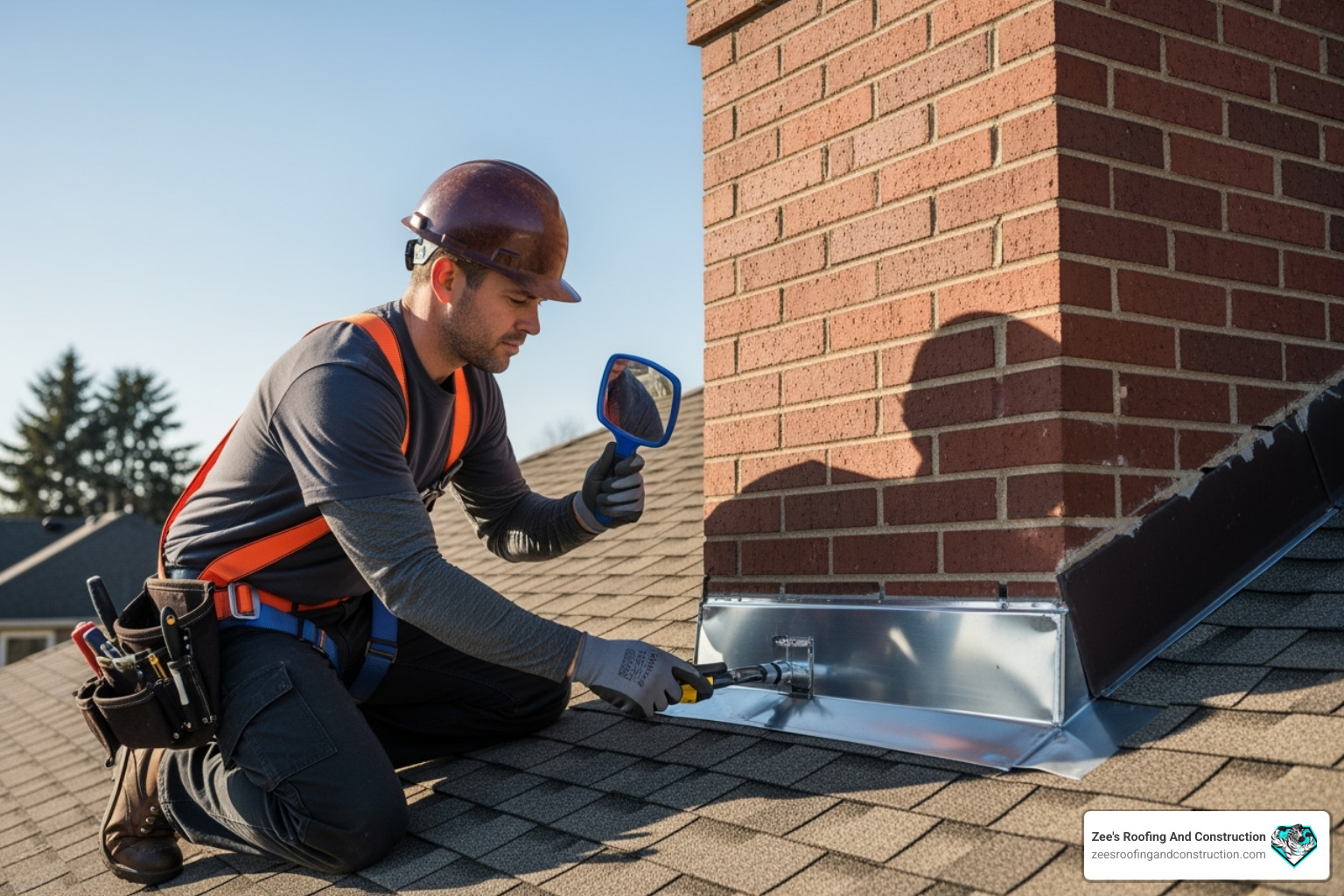
When you schedule Apopka roof inspections with our team, you’re getting far more than someone climbing up with a clipboard for a quick look-around. Think of it as a comprehensive health check-up for your home’s most important protective barrier. We’re talking about a thorough, multi-point evaluation that leaves no shingle unturned—literally.
A professional inspection is really about peace of mind. We examine both what you can see from the ground and what’s hidden from view, because the most damaging problems often lurk where homeowners can’t easily spot them. Our systematic approach covers exterior inspection, interior inspection, workmanship quality, structural integrity, and drainage systems. The goal isn’t just to identify problems—it’s to catch them early, when they’re still small and manageable, before they turn into budget-busting emergencies.
This comprehensive approach is what separates a professional inspection from a simple visual check. We’re looking at your entire roofing system as an interconnected whole, understanding that a small issue in one area can cascade into major problems elsewhere. For more details about our complete inspection services, visit our Roof Inspection Services page.
What a Thorough Exterior Inspection Covers
The exterior inspection is where our team really gets hands-on with your roof. We’re up there examining every component, from the ridge line down to the eaves, looking for anything that could compromise your home’s protection.
Let’s start with your roofing materials—whether you have shingles, tiles, or metal panels. For asphalt shingles, we’re checking for the telltale signs of aging and damage: cracks, curling edges, blistering, missing granules, and any impact damage from hail or debris. Each of these issues tells us something about your roof’s remaining lifespan. Tile roofs get scrutinized for cracks, chips, or tiles that have shifted out of place. Metal roofs? We’re looking for dents, rust spots, loose fasteners, and proper panel alignment. Age matters too—every roofing material has its expected lifespan, and as materials age, they become increasingly vulnerable.
Flashing gets special attention during our inspections, and for good reason. These metal strips installed around your chimneys, vents, and skylights are your roof’s first line of defense against water intrusion at vulnerable transition points. We inspect every inch of flashing for rust, corrosion, cracks, or improper sealing. Damaged or improperly installed flashing is honestly one of the most common reasons we find leaks in Central Florida homes.
Your gutters and downspouts might seem like they’re separate from your roof, but they’re actually critical partners in your drainage system. We check for blockages from leaves and debris, verify they’re properly sloped to move water away, and look for rust or damage that could cause water to back up onto your roof. In Florida’s heavy rains, a blocked gutter can quickly lead to water infiltrating under your shingles and causing serious damage.
We also assess your roof’s structural integrity by looking for any sagging, unevenness, or deflections in the roof deck. The foundation of your roof—that supporting structure beneath everything else—needs to stand strong against Florida’s climatic extremes. Any compromise here isn’t just about leaks; it’s about your family’s safety.
What an Interior Inspection Reveals
Here’s where we put on our detective hats. While the exterior inspection shows us what’s happening on the surface, the interior inspection—primarily in your attic—reveals the secrets your roof might be keeping from you.
Water intrusion is our primary focus during the attic inspection. We’re looking for water stains on the underside of your roof deck, along the rafters, and on your insulation. Even a faint discoloration can signal a past or ongoing leak. The great thing about checking from the inside is that we can often trace these stains back to their source, which usually corresponds to exterior issues we’ve already noted.
The presence of mold or mildew in your attic is a red flag waving frantically. It tells us there’s been chronic moisture problems, whether from roof leaks or poor ventilation. This isn’t just about your roof’s health—mold can compromise your family’s health and your home’s structural integrity if left unchecked.
We examine all the wooden structural components—rafters, trusses, and roof decking—for signs of rotting wood. In Florida’s humidity, wood rot can progress surprisingly fast once it starts, and it directly threatens your roof’s ability to support itself.
Poor ventilation might not sound dramatic, but it’s a silent killer for roofs. A properly ventilated attic regulates temperature and moisture, preventing heat buildup that drives up your energy bills and moisture accumulation that promotes mold and rot. We assess your ventilation system to ensure it’s doing its job.
Your insulation gets checked too. Water damage can compress insulation, making it less effective at keeping your home comfortable. If your insulation looks compromised or you’ve noticed your energy bills creeping up, there’s often a roof-related reason why.
Sometimes, we can even spot daylight filtering through your roof deck—a clear sign of holes or gaps that need immediate attention. It’s amazing what you can find when you know where to look.
By combining these exterior and interior inspections, we build a complete picture of your roof’s health. Nothing gets missed, nothing gets overlooked, and you get the honest truth about what your roof needs—whether that’s a minor repair, ongoing maintenance, or planning for a future replacement.
Navigating Insurance, Codes, and Costs in Apopka
Understanding the landscape of insurance requirements, local building codes, and the costs associated with Apopka roof inspections can feel overwhelming. Between deciphering what your insurance company needs, figuring out permit requirements, and budgeting for inspections, it’s easy to feel lost. But here’s the good news: once you understand the basics, navigating this terrain becomes much more straightforward.
Let’s start with a quick overview of the different types of inspections you might encounter. Each serves a specific purpose, and knowing which one you need can save you time and money:
| Inspection Type | Purpose | What’s Checked | When It’s Needed |
|---|---|---|---|
| Standard Inspection | General roof health assessment | Overall condition, materials, structure, drainage | Annually, after storms, before buying/selling |
| 4-Point Inspection | Insurance requirement for older homes | Roof, HVAC, electrical, plumbing systems | Typically for homes 25+ years old |
| Roof Certification | Verifies roof condition for insurance | Remaining lifespan, structural integrity, material condition | When insurer requires proof of roof condition |
Understanding the differences between these inspections is crucial when dealing with insurance companies and planning your home maintenance budget. For more comprehensive information on various inspection types, you can refer to our Roof Inspection Types in Apopka page.
Understanding Insurance-Related Apopka Roof Inspections
Florida’s insurance market has become increasingly strict about roof requirements, and for good reason—our state faces some of the nation’s most severe weather. If you’re buying a home, refinancing, or simply renewing your homeowner’s insurance, your carrier might require specific types of roof documentation.
The 4-Point Inspection is typically required for homes that are 25 years or older. While it examines four major systems in your home (roof, HVAC, electrical, and plumbing), the roof component is particularly scrutinized. Insurers want to know that your roof can withstand Florida’s weather challenges and won’t result in costly claims.
A Roof Certification is a more focused evaluation. This inspection specifically verifies your roof’s condition and estimates its remaining useful life. Here’s what’s important to know: most insurance companies require your roof to have at least 3-5 years of expected life remaining to qualify for coverage. If your roof falls short of this threshold, you might face higher premiums, coverage limitations, or even policy denial.
The good news? A roof certification is typically valid for five years from the inspection date, giving you a solid window of coverage. The inspector will provide a detailed report documenting the roof’s condition, any existing damage, and an honest assessment of how many years of life it has left. This isn’t just a formality—it’s a valuable tool for understanding your roof’s true condition and planning for future maintenance or replacement.
Wind Mitigation Inspections are another type of evaluation that can actually save you money. These inspections document the wind-resistant features of your home, such as roof-to-wall connections, roof deck attachment, and the type of roof covering. If your home meets certain hurricane resistance standards, you could qualify for significant insurance premium discounts. Given Apopka’s location in hurricane-prone Central Florida, this inspection can pay for itself many times over through reduced insurance costs.
When it comes to the claims process after storm damage, having recent inspection documentation can streamline everything. If you’ve had a professional inspection within the past year, you’ll have a baseline record of your roof’s pre-storm condition, which can be invaluable when filing insurance claims. For more details on what’s included in these specialized inspections, visit our page on Roof Certification services.
Local Codes and Permitting in Apopka
Beyond insurance requirements, you’ll also need to steer local building codes and permits, especially if your inspection reveals that repairs or replacement are necessary. The City of Apopka Building Division oversees all roofing work in the area, and they take their job seriously—and that’s a good thing for you.
Florida’s building codes, particularly those related to hurricane resistance standards, are among the strictest in the nation. These codes exist to protect your home and family during severe weather events. When you’re getting roofing work done, your contractor must pull the proper permits and ensure all work meets current Florida Building Code requirements.
For reroofing projects, Apopka follows specific rules about when you can repair versus when you must replace. Generally, if more than 25% of your roof needs work within a 12-month period, you’ll likely need to replace the entire roof rather than patch it. This “25% rule” ensures that homes maintain consistent protection and don’t become patchwork projects that compromise safety.
The permitting process might seem like bureaucratic red tape, but it actually protects you. When work is properly permitted, it must be inspected by city officials to ensure it meets code. This means you’re getting work that’s up to Florida’s rigorous standards, not shortcuts that could fail during the next storm.
We handle all permitting and code compliance for our clients, so you don’t have to worry about navigating the City of Apopka’s requirements. For specific information about local requirements and our services in your area, check out our Apopka service page.
When it comes to costs, standard Apopka roof inspections typically range from $75 to $700, depending on the type of inspection, the size of your roof, and the level of detail required. However, many roofing companies, including ours, offer free initial inspections to assess your roof’s condition. The investment in a professional inspection is minimal compared to the cost of emergency repairs from undetected damage—we’re talking hundreds of dollars for an inspection versus potentially tens of thousands for major repairs or premature replacement.
Think of it this way: a comprehensive inspection might cost you $300, but catching a small leak early could save you $5,000 in water damage repairs. That’s a cost-benefit analysis that makes sense every time.