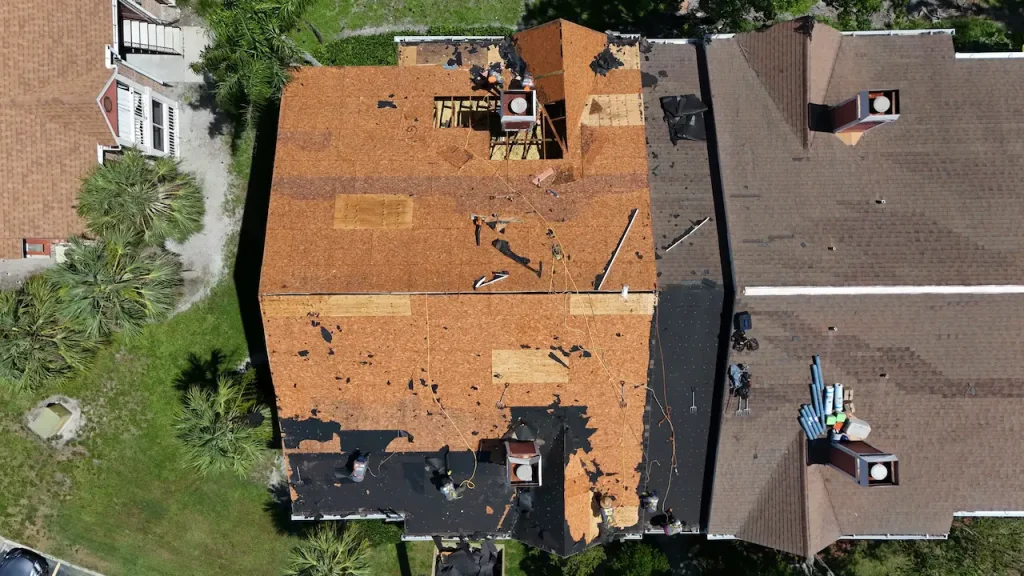
Hurricane season in Sanford, Florida, is no joke. With storms capable of producing wind speeds up to 150 mph and more, having a roof that’s ready to handle them is crucial. If you’ve seen a neighbor’s shingles scattered across their yard after a storm or noticed water leaks in your ceiling, you know the importance of roof preparation. We’re here to walk you through how to get your roof ready for the next big storm. Let’s keep your home dry and intact this hurricane season.
Inspecting for Roof Damage
First thing’s first: a thorough inspection. Before the season kicks in (usually around June), get up on that ladder or hire someone who will. Look for damaged or missing shingles. Cracked, curled, or loose shingles are an invitation for leaks. In Sanford, with our summer storms, even small issues can become big problems fast. Pay attention to the flashing around chimneys and vents. Make sure it’s secure. Rusty or loose flashing can let water seep in during heavy rains. Check for granules in the gutters. This could be a sign your shingles are deteriorating faster than they should be, and it’s time to consider replacement.
Securing Loose Shingles
Loose shingles aren’t just an aesthetic issue. They can be the weak link in your roof’s armor during a hurricane. Re-nail any loose shingles you find, using roofing nails that are at least 1.25 inches long. If a shingle is damaged beyond repair, replace it. Asphalt shingles are common around Sanford, and you can usually match them pretty easily. Don’t wait until the storm is on the horizon. Taking care of this in the dry months of spring is smart.
Reinforcing Roof Structure
The guts of your roof are just as important as the shingles. If your roof feels spongy when you walk on it, that’s not good. It might be time to strengthen the decking. Plywood, about half an inch thick, is standard for most homes here. But if yours is thinner, upgrading can make a difference in storm resilience. Ensure the trusses are secure and well-braced. Hurricane ties can be added for extra security. They’ll help keep the roof attached to the walls when the winds pick up.
Gutter Maintenance
When those heavy rains hit, gutters have to carry a lot of water away from your roof. Clogged gutters can’t do their job, leading to water back-up and potential roof damage. Clean them out thoroughly before hurricane season. Ensure they’re securely attached to the house, with no sagging sections. Look at the downspouts, too. They should direct water well away from the foundation. Consider installing gutter guards to reduce the amount of debris that can clog them.
Checking Roof Ventilation
Proper ventilation can help prevent moisture build-up in the attic, which can weaken your roof’s structure over time. In Sanford’s humid climate, this is crucial. Make sure soffit vents aren’t blocked and the ridge vents are clear. Good airflow helps keep temperatures down, which can reduce the strain on your roofing materials, especially under intense sun followed by storms.
Cutting Back Overhanging Branches
Trees can be a roof’s best friend for shade, but also its worst enemy during storms. Trim back any branches that overhang the roof. They can break off in high winds and cause significant damage. Use a pole saw to reach high branches safely, or hire a professional if it’s a big job. Give yourself a buffer, too — aim for at least six feet of clearance around the roof.
Reviewing Insurance Policies
Before hurricane season starts, it’s wise to revisit your homeowner’s insurance policy. Understand what’s covered when it comes to roof damage. Take photos of your roof and any repairs you make. Keep them handy; they can be useful if you need to file a claim. Don’t wait until after a storm hits to find out you’ve got coverage gaps.
Key Takeaways
- Inspect for damaged or missing shingles before hurricane season.
- Re-nail loose shingles using 1.25-inch roofing nails.
- Consider reinforcing roof decking with thicker plywood.
- Clean and maintain gutters to prevent water back-up.
- Ensure proper roof ventilation to prevent moisture issues.
Conclusion
Getting your roof ready for hurricane season in Sanford isn’t optional — it’s necessary. Regular maintenance and a few strategic upgrades can save a lot of hassle and money down the road. Take action now, rather than waiting for a storm warning. Check everything from shingles to insurance policies. For a professional eye and skilled hands, don’t hesitate to reach out to us. Stay safe, keep dry, and let’s get that roof hurricane-ready.