

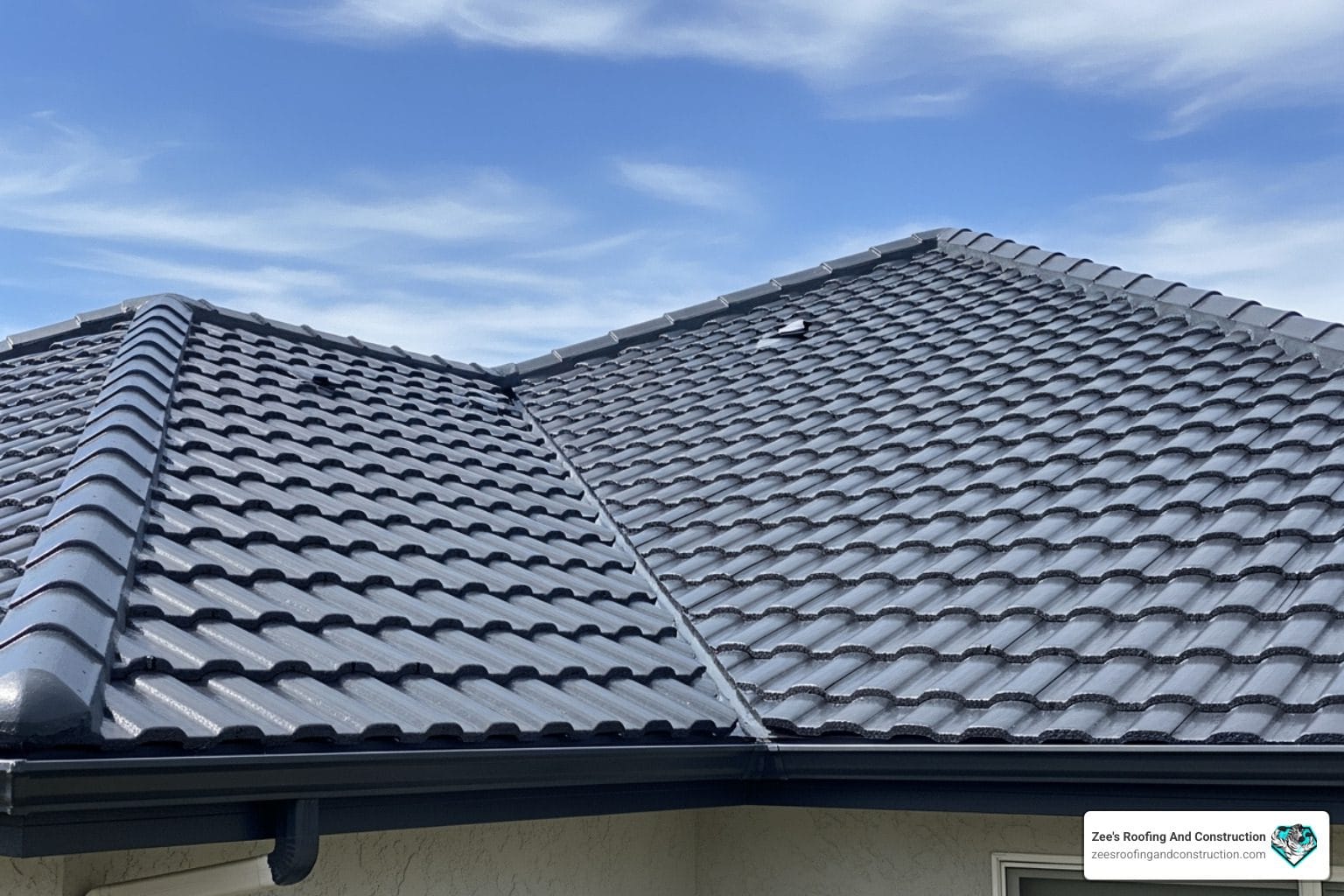
Florida homeowners deal with roofing challenges that most of the country never faces. UV damage, relentless humidity, and a storm season that runs six full months make preventive roof maintenance essential for protecting your home. This guide gives you a complete Florida roof maintenance checklist so you can get ahead of leaks and avoid expensive emergency repairs before the next storm hits Orlando.
A little time spent on preventive roof maintenance in March costs a fraction of what a leak repair runs in August. That trade-off should motivate any Orlando homeowner.
Table of Contents
Why Preventive Roof Maintenance Matters in Central Florida
Central Florida’s climate is unlike anywhere else in the country. Afternoon thunderstorms drop two to four inches in under an hour from June through September. Daytime heat routinely pushes past 95 degrees, and humidity stays above 80 percent for months at a time. These conditions accelerate wear on every roofing material on the market.
Asphalt shingles that last 30 years in the Midwest may give you 15 to 20 here. Tile roofs hold up better in the heat, but storm debris and falling branches crack them faster than homeowners expect. Without a scheduled preventive roof maintenance routine, small failures compound quietly until a storm turns a hairline crack into a major interior leak.
The cost difference is not subtle. A simple flashing re-seal during a preventive roof maintenance visit runs under $200. Water damage to drywall, insulation, and flooring from a failed flashing can hit $8,000 or more. Scheduling twice-yearly preventive roof maintenance is one of the better financial decisions an Orlando homeowner can make.

Florida Roof Maintenance Checklist
Run through this checklist every March before rainy season and every October once it ends. After any named storm, do a quick visual pass right away.
Task | Best Time | Why It Matters |
Clear gutters and downspouts | March and October | Prevents backup and fascia rot during rainy season |
Check flashing around vents and chimney | Before June | Flashing fails first in wind-driven rain |
Inspect for lifted or missing shingles | After any storm | Exposed decking rots fast in Florida humidity |
Trim overhanging tree branches | April | Branches cause abrasion and hold moisture against the roof |
Clean algae and moss growth | Spring | Organic growth weakens shingles and shortens roof life |
Inspect attic for soft spots or stains | Before storm season | Early leak signs before they appear inside the home |
Step-by-Step Preventive Roof Maintenance Guide for Florida Homeowners
1. Start With a Safe Ground-Level Inspection
Walk the full perimeter of your home before climbing anything. Binoculars help. Look for shingles that are curling, buckling, or missing altogether. On tile roofs, watch for cracked or shifted tiles near the ridgeline and around penetrations. Check eaves for sagging or staining. This ground-level pass is the first step in any solid preventive roof maintenance routine. Our guide on how to find a roof leak covers what to look for once you spot something suspicious.
2. Clean Out Gutters and Downspouts
Clogged gutters are a leading cause of water damage in Florida homes. When they back up, water overflows behind the fascia board and works under the roofline. Clean them in late March and again in October after oak leaves finish dropping. Keeping gutters clear is a basic but critical part of preventive roof maintenance that many homeowners skip until something goes wrong.
3. Inspect and Reseal All Flashing Points
Flashing sits around chimneys, skylights, vents, and any wall-to-roof transition. Florida’s heat cycles make flashing expand and contract constantly. The sealant dries out, cracks, and separates. That gap is where water enters. Checking and resealing flashing during every preventive roof maintenance visit prevents one of the most common roof leak sources in Central Florida.
4. Remove Algae, Moss, and Debris
The black streaking common on Florida roofs is Gloeocapsa magma algae. It feeds on the limestone in asphalt shingles, breaking down the surface over time. Moss holds moisture against the shingles and causes edges to lift. Both need to be addressed during preventive roof maintenance. Our roof maintenance tips page recommends a soft wash with a diluted bleach solution. High-pressure washing strips granules and voids most shingle warranties, so skip the pressure washer.
5. Check the Attic
Your attic shows roof problems before they appear inside the living space. Look for water stains on sheathing, soft decking, mold, or daylight coming through gaps. Poor attic ventilation is a major issue in Florida homes. Trapped heat and moisture degrade decking from the inside out, and no amount of preventive roof maintenance on the exterior fixes a ventilation problem. Clear your soffit and ridge vents on every visit.
How Often Should You Schedule Professional Roof Inspections in Florida?
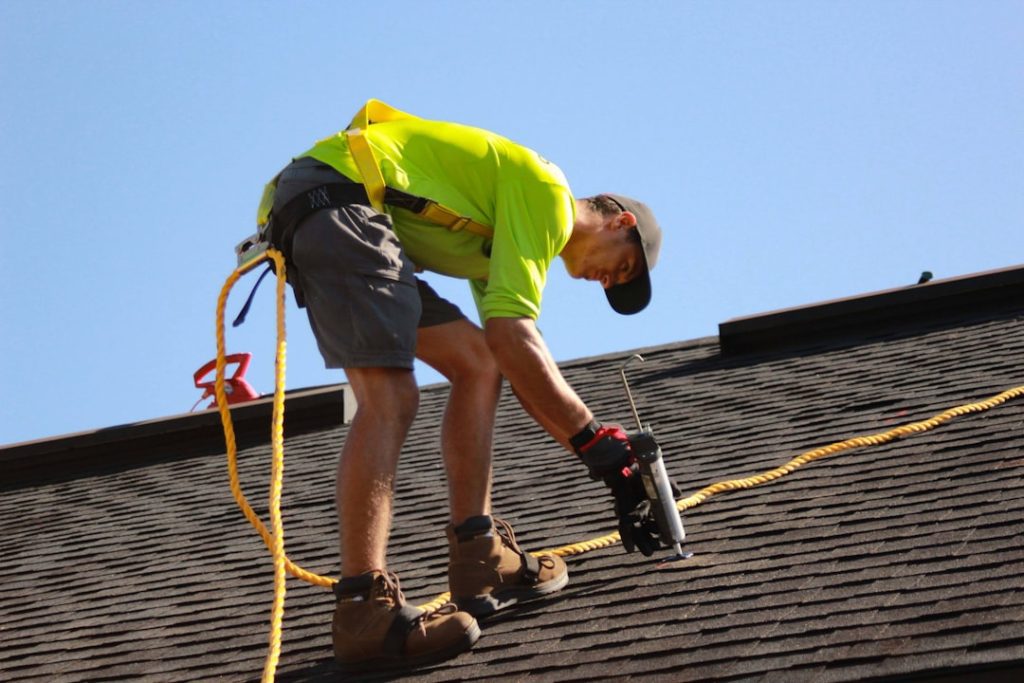
Twice a year is the standard recommendation. Spring and fall align with the natural rhythm of Florida’s storm season. If your roof is over ten years old or took a hit from a named storm, add an inspection. Professional inspections document your roof’s condition for insurance purposes and catch items that ground-level preventive roof maintenance walkthroughs miss.
Read our detailed breakdown of how often you should get your roof inspected in Florida for a full explanation by roof age and material. The NOAA hurricane season outlook also influences timing. If NOAA forecasts an active season, move your spring inspection to early May rather than waiting until June.
Roofing Materials and How Florida's Climate Affects Each One
Knowing your material helps you focus preventive roof maintenance on the right problem areas:
- Asphalt shingles: UV degrades them faster in Florida than in cooler states. Watch for granule loss in gutters, which signals the shingles are aging.
- Concrete and clay tile: Excellent wind and heat resistance. Crack under point impact. Check for hairline fractures during every inspection.
- Metal roofing: Strong wind resistance and longevity. The U.S. Department of Energy notes that reflective metal roofs reduce cooling costs significantly in hot climates like Orlando’s.
- Flat and low-slope roofing: Ponding water is the main enemy. Keep drains clear and inspect the membrane every season as part of your preventive roof maintenance schedule.
Protecting Your Roof Before Hurricane Season Starts
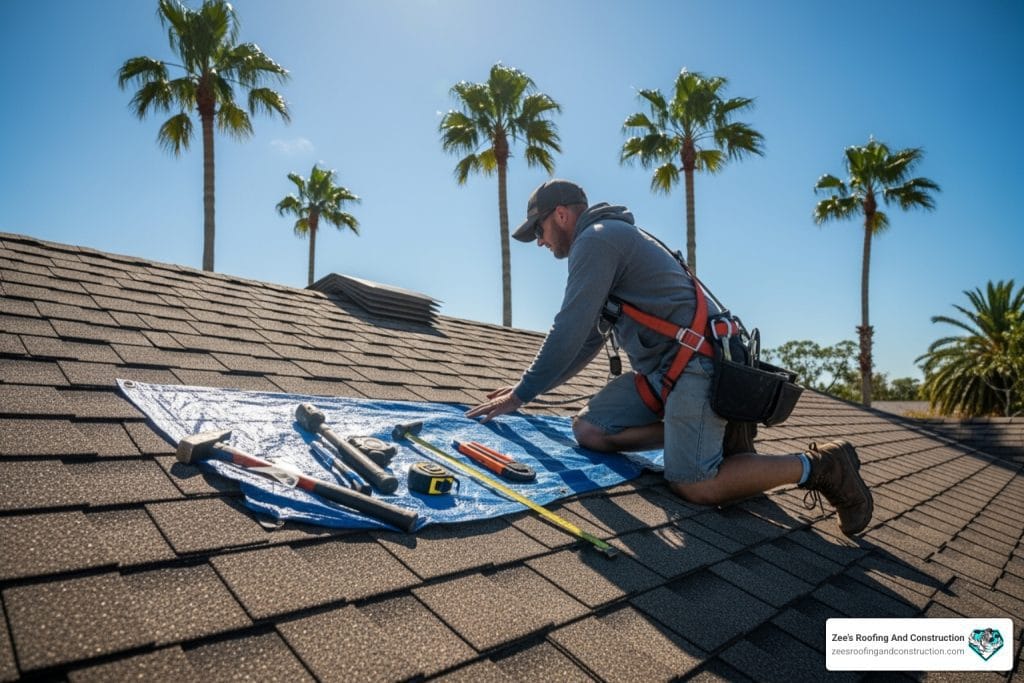
NOAA data shows Florida leads the country in hurricane landfalls. Getting preventive roof maintenance completed before June 1 is not optional if you want your home protected. After a storm, even minor-looking damage should be documented and professionally assessed before you file an insurance claim.
The University of Florida IFAS Extension offers research on managing moisture and mold in Florida homes that applies directly to roof and attic health. Florida’s sandy soils and high water table also affect drainage around the foundation, so part of preventive roof maintenance means making sure gutters direct runoff well away from the structure.
Get Your Roof Ready Before Storm Season
Consistent preventive roof maintenance twice a year keeps most Florida roofs in strong condition through even active storm seasons. Clean gutters, sealed flashings, cleared attic vents, and algae-free shingles are not glamorous, but they are what stands between your home and a major water damage claim. If you want a licensed roofer to handle the inspection and repairs, Zee’s Roofing and Construction serves the Orlando area and surrounding communities. Reach out before storm season fills the schedule.
Frequently Asked Questions
What is preventive roof maintenance and why does it matter in Florida?
Preventive roof maintenance is a scheduled inspection and repair routine that addresses small roof problems before they become serious leaks. In Florida, where storm season runs June through November and humidity is extreme year-round, preventive roof maintenance is the most cost-effective way to extend your roof’s life and avoid emergency repairs.
How often should I do preventive roof maintenance in Florida?
Twice a year is the standard: once in March before rainy season and once in October after it ends. Roofs over ten years old or those that have experienced storm damage benefit from an additional professional inspection. Consistent preventive roof maintenance keeps minor wear from becoming a major problem.
What does a Florida roof inspection checklist cover?
A Florida roof inspection checklist should include gutters, flashing condition, shingle or tile integrity, algae and moss removal, branch trimming, and an attic inspection for moisture or ventilation issues. Running through the full Florida roof inspection checklist twice a year covers the items most likely to cause leaks.
How do I prevent roof leaks in Florida?
To prevent roof leaks in Florida, keep gutters clear, reseal flashing points annually, clean algae with a soft wash, and maintain attic ventilation. Scheduling regular preventive roof maintenance is the most reliable way to prevent roof leaks in Florida before storm season creates urgent conditions.
What are the best roof cleaning tips for Central Florida homeowners?
The best roof cleaning tips for Central Florida focus on soft washing with a diluted bleach and water mix to remove algae and moss without damaging shingles. Avoid pressure washing, which strips protective granules. Include roof cleaning as a standard part of your preventive roof maintenance visits each spring.