

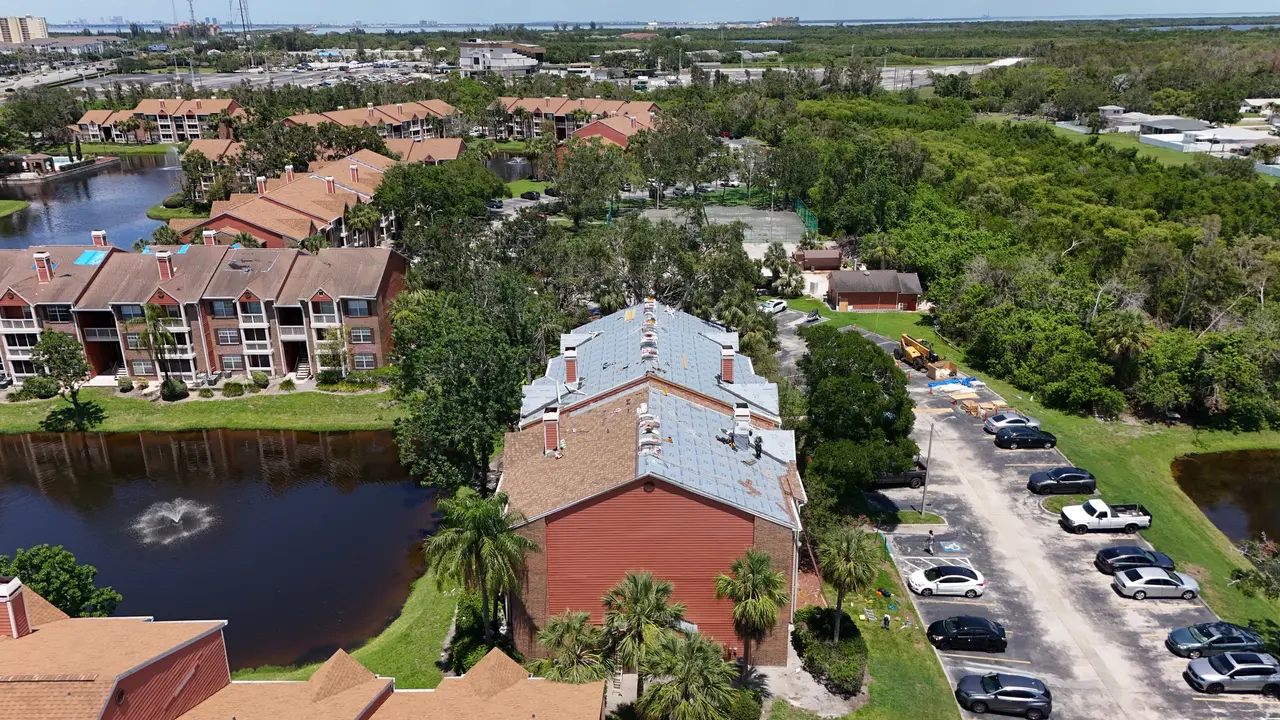
If your air conditioner runs nonstop from April through October, your roof is part of the problem. A cool roof Florida homeowners are choosing reflects sunlight and releases absorbed heat faster, which means lower cooling costs and a more comfortable home. Here is what Central Florida homeowners need to know about their options, materials, and real savings.
Most homeowners around Sanford, Orlando, and Winter Park do not realize how much heat a dark shingle roof absorbs on a 95 degree day. We have measured attic temperatures above 150 degrees on jobs where the homeowner was spending over $400 a month on electricity.
What Is a Cool Roof Florida Homeowners Should Know About?
A cool roof is any roofing system designed to reflect more sunlight and absorb less heat than a standard roof. The two properties that define it are solar reflectance (how much sunlight bounces off) and thermal emittance (how quickly the roof releases absorbed heat).
In Central Florida, where summer highs regularly push past 93 degrees and humidity keeps things uncomfortable well into the night, a cool roof Florida installation matters more than in almost any other part of the country. According to the ENERGY STAR Cool Roofs program, a qualified reflective roof can stay up to 50 degrees cooler on its surface compared to a traditional dark roof.
That temperature difference is why a cool roof Florida installation saves on your electric bill, extends the life of your roofing materials, reduces thermal cycling damage, and keeps your attic from turning into an oven.
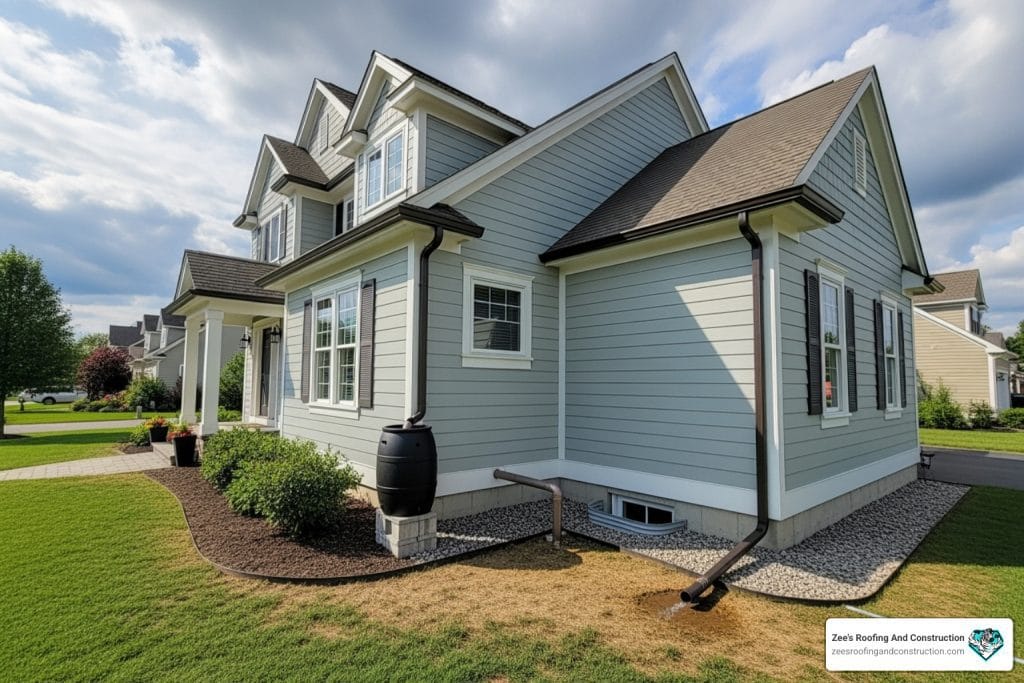
Best Cool Roofing Materials for Central Florida
Not every roofing product qualifies as a cool roof Florida contractors recommend. The material, color, and finish all play a role. Here are the options that work best in this climate.
Light-Colored Asphalt Shingles
Standard three-tab or architectural shingles in light tan, gray, or white reflect more solar energy than dark colors. They are the most affordable option, but they still absorb more heat than metal or tile. If budget is tight, switching from dark to light shingles is a solid first step.
Metal Cool Roof Systems
A metal cool roof with a factory-applied reflective coating is one of the best performers in the Orlando area. Standing seam and corrugated panels reflect a high percentage of solar radiation and release heat quickly. Metal roofs hold up well against Florida’s summer storms and meet the latest Florida Building Code wind resistance requirements.
Clay and Concrete Tile
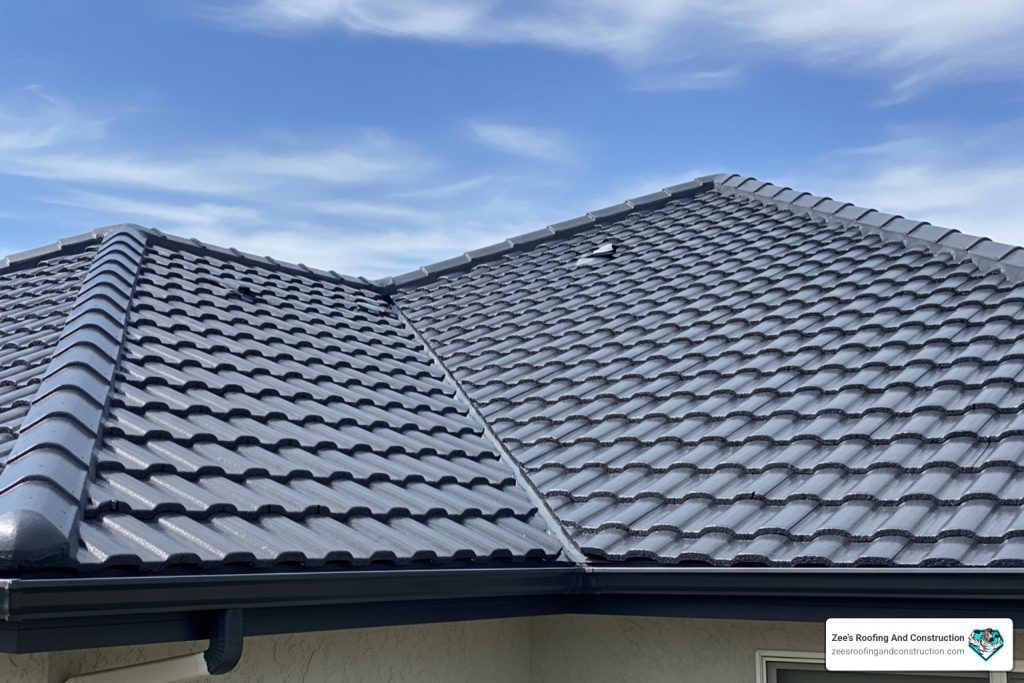
Barrel tile is common across Central Florida for good reason. The natural air gap between tile and the roof deck acts like insulation, and lighter colored tiles have strong reflective properties. They are heavier, so the structure needs to support the load, but they last 50 years or more.
Cool Roof Coatings
Elastomeric and acrylic coatings can be applied over an existing roof to boost reflectivity. This is a popular choice for flat or low-slope commercial roofs, but some residential homeowners in Winter Park and Sanford use coatings on metal or modified bitumen roofs. The U.S. Department of Energy provides guidelines for evaluating energy efficient roofing products, including coatings that meet federal standards.
Cool Roof Material Comparison for Florida Homeowners
Material | Solar Reflectance | Lifespan | Cost Range | Best For |
Light Shingles | Moderate | 20–30 yrs | $$ | Budget-friendly upgrades |
Metal Roof | High | 40–70 yrs | $$$ | Long-term savings, storm zones |
Clay/Concrete Tile | High | 50+ yrs | $$$$ | Traditional Florida aesthetics |
Cool Roof Coating | High | 5–10 yrs (recoat) | $ | Extending existing roof life |
Energy Savings and Comfort Benefits of a Cool Roof Florida Upgrade
The biggest reason homeowners go with a cool roof Florida upgrade is the impact on their electric bill. When your roof surface drops by 50 degrees or more, your attic stays cooler, your insulation works better, and your AC does not have to run as hard.
On cool roof Florida projects in the Sanford and Orlando area, we have seen homeowners report 10 to 25 percent reductions in cooling costs after installing reflective roofing materials. That is real money during June, July, and August when utility bills spike.
A cooler attic also means less stress on your HVAC system. A cool roof Florida home runs fewer repair calls and enjoys longer equipment life. Your home feels more even in temperature from room to room.
Rebates, Incentives, and Insurance Benefits
Florida homeowners may qualify for federal tax credits, utility rebates, or insurance discounts when installing a cool roof Florida building codes support. The EPA Heat Island Community Actions Database tracks local and state programs that encourage reflective roofing adoption.
Here are some incentives worth checking into:
- Federal energy efficiency tax credits for qualifying reflective roofing materials on a primary residence.
- Florida utility rebate programs through local power companies for energy efficient roof upgrades.
- Homeowners insurance discounts for impact-rated metal or tile systems that meet Florida Building Code wind mitigation standards.
- Homeowners insurance discounts for impact-rated metal or tile systems that meet Florida Building Code wind mitigation standards.
- Rate credits from utilities for reducing peak summer grid demand.
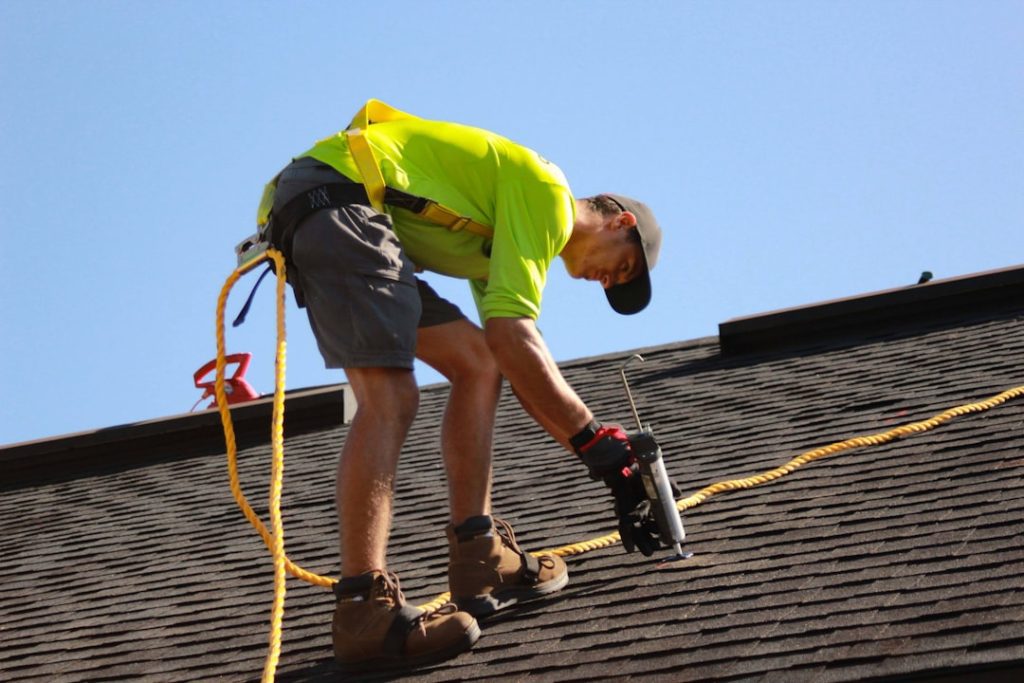
Before committing to a project, it pays to get a professional roof inspection to evaluate your current system and determine which cool roof Florida upgrade path delivers the best return.
Cool Roof Florida Coating vs. Full Roof Replacement
This is one of the most common questions we get. If your existing roof is structurally sound with no active leaks, a reflective coating can add years of life and improve energy performance at a fraction of the cost of a full replacement.
However, if your roof is past its expected lifespan, has moisture damage in the decking, or shows widespread wear, a coating is just a bandage. In that case, investing in a full roof replacement with a cool roof Florida system gives you a fresh start and the best long-term savings.

How to Decide if a Cool Roof Florida Installation Is Right for You
Start by looking at your energy bills and your roof’s age. If your roof is under 10 years old and in decent shape, a reflective coating might be all you need. If you are planning a replacement anyway, choosing a cool roof Florida experts recommend, like metal or light tile, makes the most sense.
Check your neighborhood’s HOA rules too. Some communities around Orlando and Winter Park have guidelines on roof color and material. A metal cool roof in Orlando is becoming more common, but confirm before you commit.
The climate here is not forgiving. Between UV exposure, afternoon thunderstorms, and hurricane threats, your roof takes a beating. Choosing a cool roof Florida homeowners can count on means picking materials rated for this region’s wind speeds, humidity, and heat.
Get Started With a Cool Roof That Works for Your Home
A cool roof Florida homeowners invest in is not just a trend. It is a smart investment that pays for itself through lower energy bills, better comfort, and longer roof life. Whether you want a reflective coating, a metal cool roof, or a tile system, the right choice depends on your home and your budget.
If you are in the Sanford, Orlando, or Winter Park area and want to learn which cool roof Florida option fits your home, reach out to Zee’s Roofing and Construction. We will look at what you have, talk through the options, and help you make a decision that saves money.
FAQs
How much can a cool roof save on energy bills in Florida?
Most Central Florida homeowners see 10 to 25 percent savings on cooling costs after installing a cool roof. The exact savings depend on your current roof material, insulation, and AC system efficiency. A cool roof Florida upgrade is one of the most effective ways to cut summer electric bills.
What is the best cool roof material for Orlando homes?
Metal roofing with a reflective finish and light-colored concrete tile are the top performers in the Orlando area. Both offer high solar reflectance and hold up well against Florida storms. Reflective roofing materials like these meet current Florida Building Code requirements for wind and energy performance.
Can I add a cool roof coating to my existing roof?
Yes, if your existing roof is structurally sound with no leaks or decking damage. Elastomeric cool roof Florida coatings work especially well on flat and low-slope roofs. A professional inspection will tell you whether a coating or a full replacement is the better investment.
Does a cool roof help during Florida hurricane season?
A cool roof alone does not increase wind resistance, but many cool roof systems like metal and tile are impact-rated and meet strict Florida wind mitigation standards. Choosing a cool roof Florida homeowners trust that also meets hurricane building codes gives you energy savings and storm protection in one upgrade.