

Picking the best roofing materials for Florida takes more than browsing a product catalog. Florida’s humidity, intense UV exposure, hurricane-force winds, and strict building codes all factor into how long a roof holds up and what it costs over time. This guide walks through asphalt, clay tile, and metal so Orlando-area homeowners can make a confident, informed choice.
If you’re in Winter Park, Altamonte Springs, or anywhere around Orlando, you’ve seen what the Florida climate does to a house. The roof gets hit hardest. Choosing the right material from the start avoids expensive repairs and premature replacements years down the line.
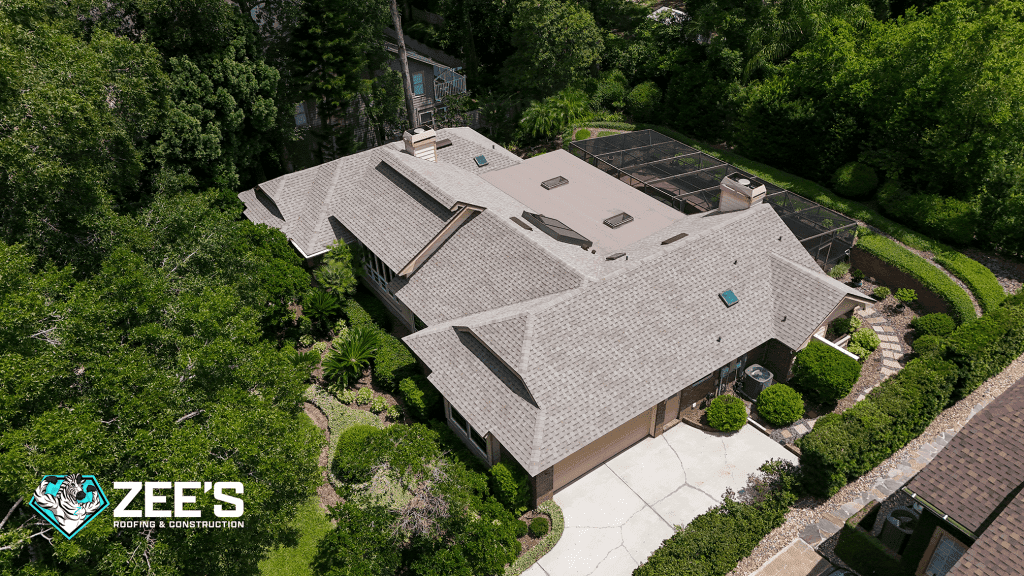
Why Florida Homeowners Need to Think Carefully About Roofing Materials
Florida’s subtropical climate is genuinely demanding on roofs. Long summers with near-daily thunderstorms, humidity that never really lets up, and hurricane season from June through November create conditions that wear down roofing systems faster than most other states. The best roofing materials for Florida have to handle heat stress, resist moisture and mold, and hold up against serious wind uplift.
The Florida Building Code sets specific wind resistance requirements based on location. Coastal and Central Florida areas face stricter standards than inland regions. According to Florida roofing materials and code guidance, approved materials and installation methods must meet both energy efficiency and structural requirements before a roof passes inspection. Knowing what qualifies before you buy saves time and money.
Asphalt Shingles: The Most Common of the Best Roofing Materials for Florida Budgets
Asphalt is the most widely installed residential roofing product in the country, and it’s popular in Florida for good reason. It’s affordable, widely available, and installs quickly. For homeowners comparing asphalt roofing in Florida, it’s typically the lowest entry cost.
Standard three-tab shingles are where asphalt starts to fall short in Florida. UV exposure degrades them faster than in northern climates. A shingle rated for 25 years in Minnesota may show significant wear within 15 years on a south-facing Florida roof. That’s just how the sun works here.
The better option among the best roofing materials for Florida in the asphalt category is architectural or impact-resistant shingles. Class 4 impact-rated shingles hold up better against hail and wind-driven debris and often qualify for insurance discounts in Florida. If asphalt fits your budget, go with the higher grade.
What to look for in Florida-grade asphalt shingles:
- Class 4 impact resistance rating
- Algae-resistant granule coating, which matters in high humidity
- Wind ratings of 130 mph or higher
- Reflective coating options to reduce attic heat buildup
- A valid Florida Product Approval number for code compliance
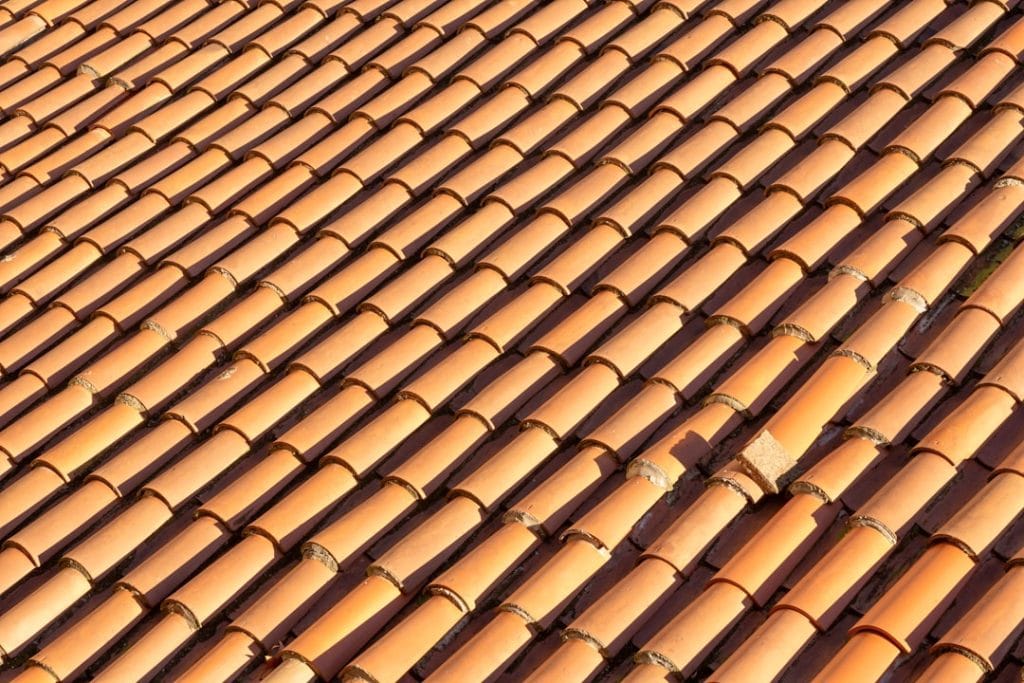
Clay Tile: One of the Best Roofing Materials for Florida's Long-Term Homeowners
Clay tile has been the roofing material of choice across Florida for generations, and that reputation is built on real performance. The clay tile roof pros include natural heat resistance, no rot risk, no insect vulnerability, and a lifespan that regularly exceeds 50 years in Central Florida conditions.
The raised barrel tile profile allows air to move underneath the tile, reducing heat transfer into the attic. On job sites around Orlando and Lake Nona, tile roofs installed in the 1980s still perform without major issues when the underlayment has been maintained. That’s the kind of long-term durability that earns clay tile a spot among the best roofing materials for Florida.
The weight is the main consideration. Clay tile requires a roof structure that can handle the load, and older homes sometimes need reinforcement before installation. The upfront cost is higher than asphalt, but spread over a 50-year lifespan, it’s often the more economical choice for homeowners who plan to stay put.
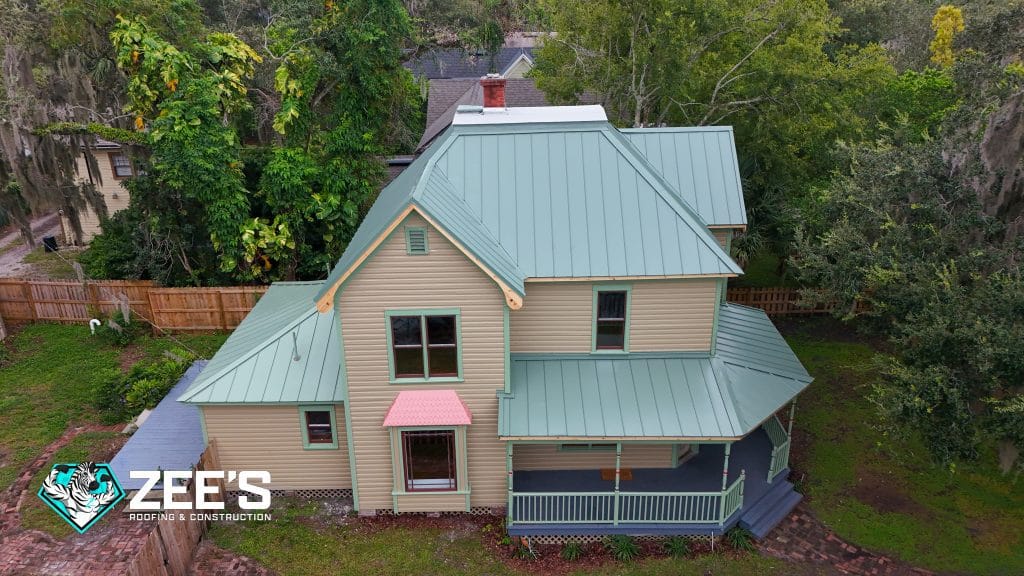
Metal Roofing: Best Roofing Materials for Florida Storm Performance
Metal roofing has gained serious ground in Florida over the past ten years. It manages heat, resists wind, and handles heavy rain better than most materials on the market. Metal roofing options for heat and storms include standing seam steel, aluminum panels, and metal shingle systems, all with different performance and price points.
For impact resistant roofing in Orlando, standing seam metal is one of the top-performing systems available. Concealed fasteners reduce the number of penetration points where leaks can develop. Metal also reflects a significant amount of solar radiation. Research from Florida roofing reflectivity research at UCF confirms that roof surface finishes directly affect cooling loads in Florida buildings, and reflective metal roofing cuts those loads considerably.
Metal roofing also meets Florida’s demands for hurricane-resistant roofing ratings. Many standing seam systems carry wind ratings of 140 mph or more when installed with appropriate fastener patterns and underlayment. For homeowners near the coast or in high-wind zones, that matters.
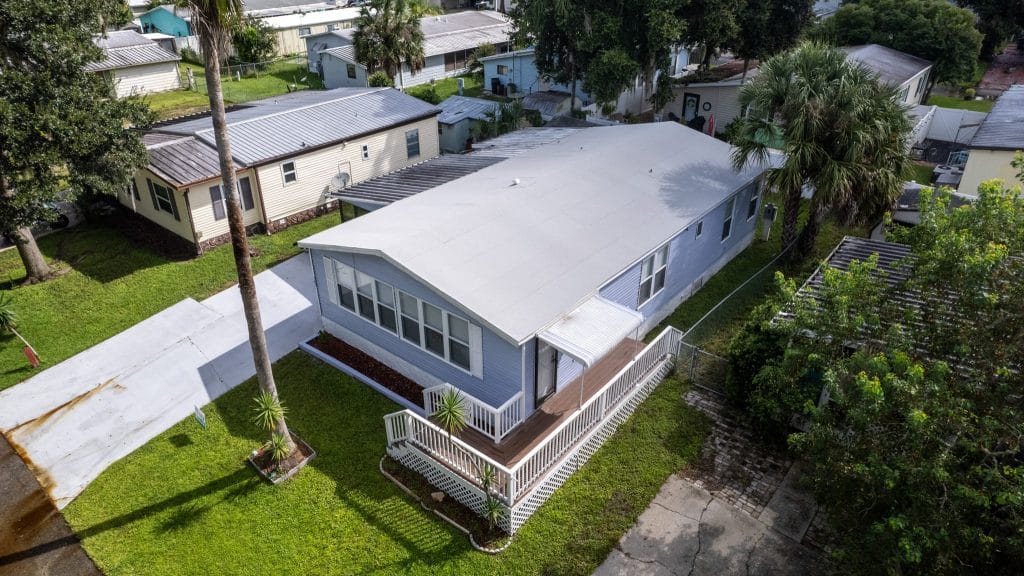
Side-by-Side: Best Roofing Materials for Florida Compared
| Material | Avg. Lifespan (FL) | Wind Resistance | Heat Reflectivity | Upfront Cost | Best For |
|---|---|---|---|---|---|
| Asphalt (Impact-Rated) | 15 to 25 years | Good, Class 4 | Low to Moderate | $ | Budget-focused buyers |
| Clay Tile | 40 to 50+ years | Excellent | Moderate to High | $$$ | Long-term homeowners |
| Metal (Standing Seam) | 40 to 70 years | Excellent | High | $$$ | Storm protection and energy savings |
Choosing the Best Roofing Materials for Your Florida Home
Review all of your roofing materials and services in Florida before committing to a material. The best roofing materials for Florida depend on your budget, how long you plan to stay in the home, HOA restrictions, and your current insurance policy. In storm-heavy areas like Altamonte Springs, wind uplift certification and impact ratings are not optional.
Work with a roofing contractor who knows Central Florida’s building codes and has hands-on experience with the material you’re considering. A full inspection of your existing roof deck and structure before installation prevents costly surprises, especially on older homes.
FAQs: Best Roofing Materials for Florida
What are the best roofing materials for Florida's heat and humidity?
Metal and clay tile rank among the best roofing materials for Florida because both handle prolonged heat, resist moisture, and last decades. Impact-rated asphalt shingles work well on tighter budgets if they carry a Florida Product Approval number and a wind rating of 130 mph or higher.
Are clay tile roof pros worth the higher cost?
For Florida homeowners staying in their home long-term, yes. Clay tile roof pros include a lifespan of 50-plus years, excellent heat resistance, and very low maintenance. The higher upfront cost typically balances out when compared to replacing asphalt shingles two or three times over the same period.
What makes the best roofing materials for Florida storm-resistant?
The best roofing materials for Florida in storm conditions carry specific wind uplift ratings required under the Florida Building Code. Impact resistant roofing in Orlando and nearby areas should have Class 4 ratings minimum and proper underlayment to block wind-driven rain.
Is metal a good choice for impact resistant roofing in Orlando?
Yes. Standing seam metal roofing delivers strong impact resistance and wind performance for Orlando homeowners. It reflects heat, holds up in storms, and lasts 40 to 70 years with minimal upkeep.
How do I confirm a roofing material meets Florida Building Code?
Every roofing product installed in Florida must carry a Florida Product Approval number. Your contractor should confirm this before ordering materials. You can also search the Florida Building Commission’s product approval database directly.