

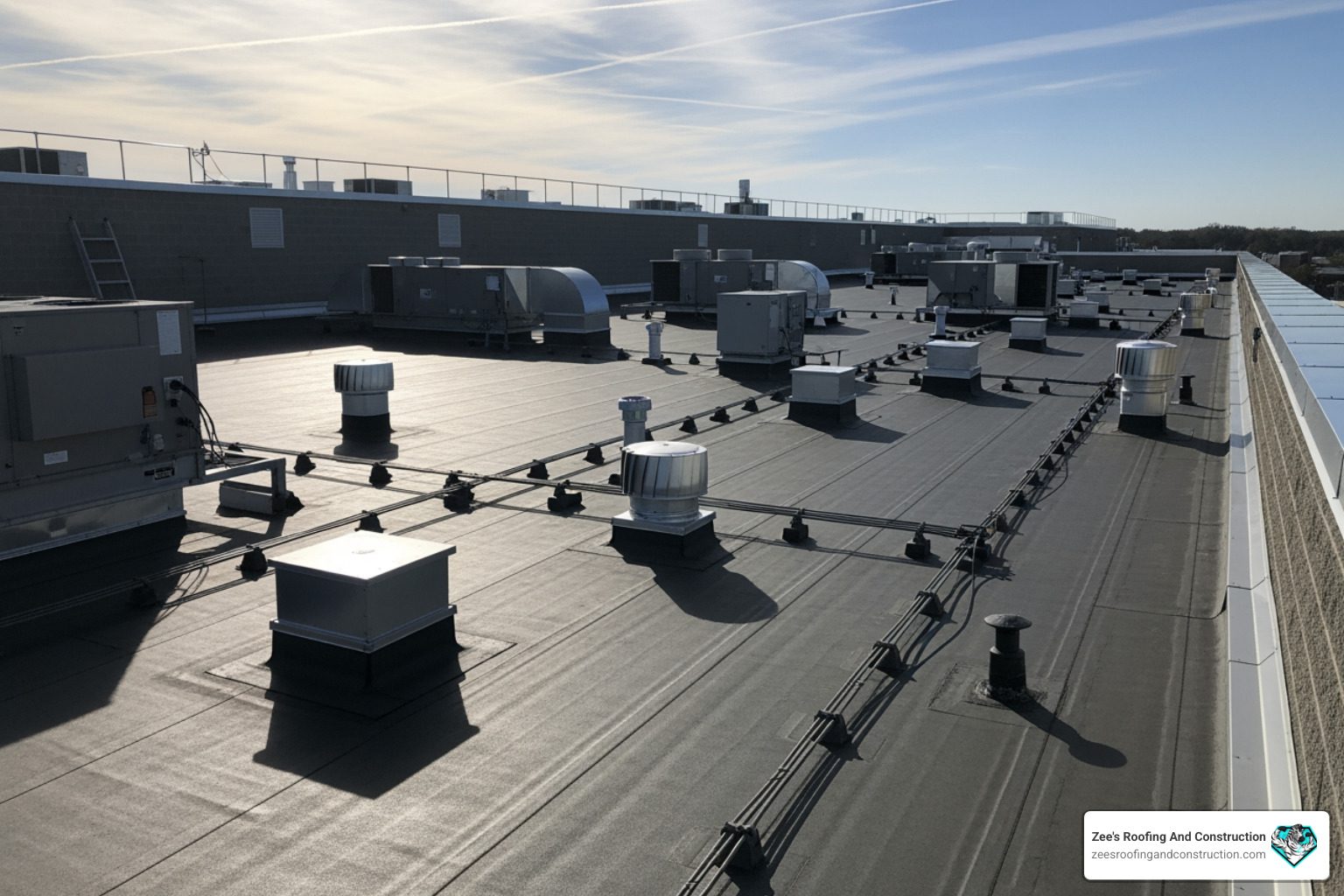
TPO roofing Orlando has become the go-to solution for commercial property managers looking to protect flat roofs from Florida’s intense heat and unpredictable weather patterns. This single-ply membrane system offers exceptional energy efficiency, proven durability, and straightforward installation that keeps businesses running without extended downtime.
If you manage a warehouse, office building, or retail center in Central Florida, you’ve probably noticed how quickly traditional roofing materials break down under constant UV exposure. TPO roofing Orlando addresses this challenge head-on while delivering measurable cooling cost reductions that show up in your monthly utility bills.
What Makes TPO the Right Fit for Florida Commercial Properties
Commercial TPO roof installation involves applying a thermoplastic polyolefin membrane across flat or low-slope surfaces. Unlike darker roofing materials that absorb heat, TPO’s reflective white surface bounces sunlight away from the building. This quality alone can reduce cooling loads by up to 30% during summer months.
Florida’s climate puts constant stress on commercial roofs. Between May and October, buildings face daily afternoon thunderstorms, high humidity levels, and UV radiation strong enough to degrade lesser materials in just a few years. TPO membranes resist this punishment because they’re formulated specifically for high-heat environments. The material doesn’t crack, shrink, or become brittle the way older roofing systems do.
Property managers also appreciate TPO’s resistance to punctures and tears. Rooftop HVAC units, satellite equipment, and regular maintenance foot traffic can damage traditional roofing. TPO holds up better under these conditions, which means fewer emergency repair calls and lower long-term maintenance costs.
According to cool roof energy savings research from the Department of Energy, reflective roofing systems can significantly lower building temperatures and reduce urban heat island effects in cities like Lake Nona and Maitland.
Understanding the Installation Process
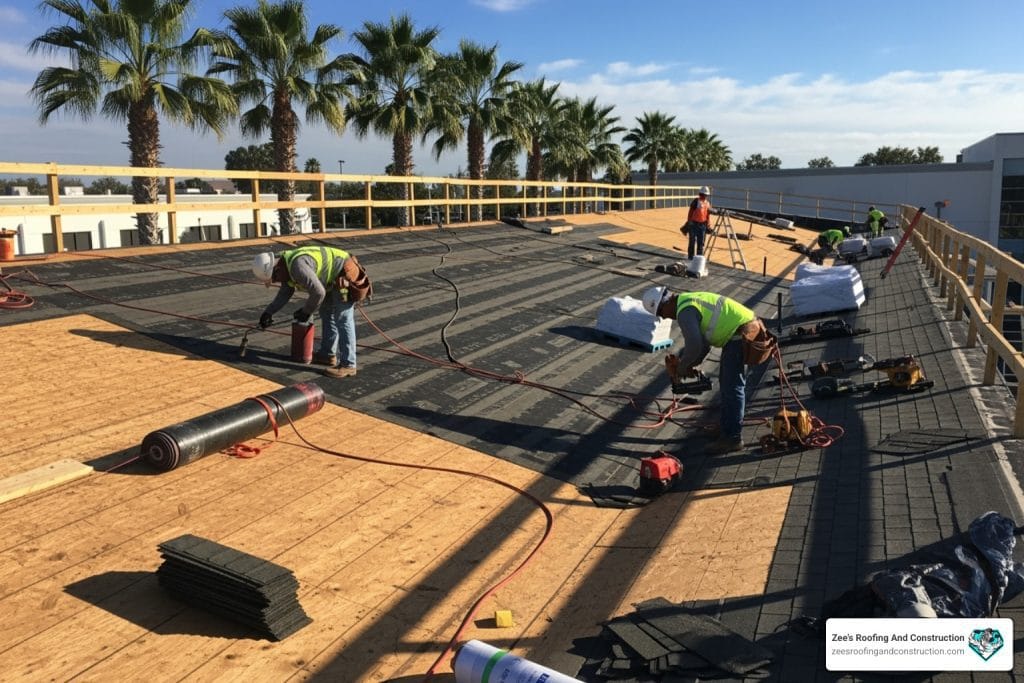
A proper commercial TPO roof installation starts with a thorough inspection of the existing roof deck. Contractors check for structural issues, water damage, and insulation problems before any membrane goes down. Skipping this step leads to failures down the road, no matter how good the material is.
Once the deck passes inspection, installers apply rigid insulation boards to improve the building’s thermal performance. These boards create a stable base for the membrane while adding R-value that helps with energy efficient roofing FL goals. The insulation layer also provides a cushion that protects the membrane from deck irregularities.
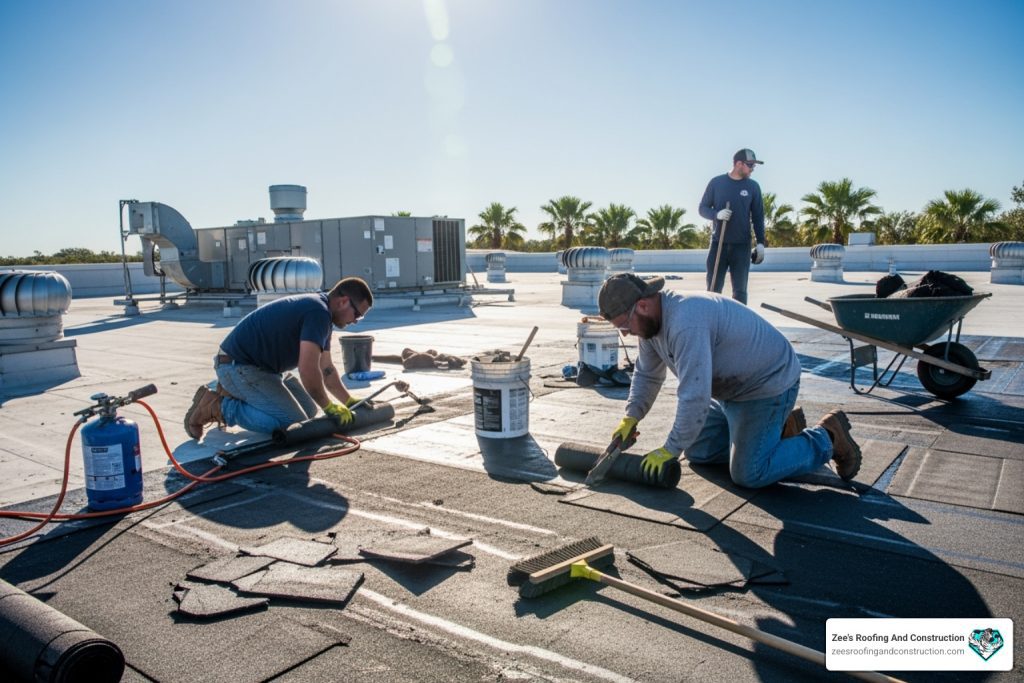
The membrane itself comes in large rolls, typically 10 to 12 feet wide. Installation crews roll out the material across the roof, ensuring proper overlap at seams. Here’s where TPO roofing Orlando really separates itself from older systems. Instead of relying on adhesives alone, installers use hot air welding to fuse the seams together. This creates a watertight bond stronger than the membrane itself.
The NRCA technical installation standards outline three main attachment methods: fully adhered, mechanically attached, and ballasted. In Florida, mechanical attachment with heat-welded seams is most common because it handles wind uplift better than other methods. Those afternoon thunderstorms can generate serious wind speeds, and a properly attached roof won’t peel away when conditions get rough.
TPO Membrane Repair and Maintenance Best Practices
Even the best roofing systems need occasional attention. TPO membrane repair is relatively straightforward compared to built-up or modified bitumen systems. Small punctures or tears can be patched using patches and the same heat welding process used during installation.
Common Repair Scenarios:
- HVAC equipment replacement causing membrane damage
- Punctures from dropped tools or debris during rooftop work
- Seam failures due to improper initial installation
- Edge detail problems around penetrations
- Storm damage from flying debris
Regular professional roof inspections catch these issues before they turn into major leaks. Property managers should schedule inspections twice a year, ideally before and after hurricane season. Walking the roof after severe weather events also helps identify problems early.
When repairs are needed, contractors clean the damaged area, apply a compatible patch material, and heat weld it in place. The repair blends seamlessly with the existing membrane and maintains waterproofing integrity. This is much simpler than tearing out sections of a traditional built-up roof and rebuilding multiple layers. For urgent situations, emergency roof repair services respond quickly to prevent interior damage.
Code Compliance and Replacement Requirements in Florida
Florida’s building codes place specific demands on commercial roofing systems, especially regarding wind resistance and structural integrity. Understanding Florida’s 25% roof replacement rule helps property managers plan for long-term maintenance and capital improvement budgets.
This regulation states that if repairs or alterations exceed 25% of the roof’s total area within a 12-month period, the entire roof must be brought up to current building code standards. For older buildings with outdated roofing systems, this can trigger a complete replacement project.
TPO roofing Orlando installations typically meet or exceed Florida Building Code requirements for wind uplift resistance. Modern systems are rated for high-velocity hurricane zones, which covers most of Central Florida. The mechanically attached systems with proper edge details can withstand wind speeds exceeding 150 mph when installed correctly.
Commercial property owners should verify that contractors pull the appropriate permits and schedule required inspections. This documentation proves code compliance and protects your investment if insurance claims arise after storm damage.
Cost Comparison: TPO vs. Other Commercial Roofing Options
| Roofing Type | Average Cost per Sq Ft | Expected Lifespan | Energy Efficiency | Maintenance Level |
|---|---|---|---|---|
| TPO Membrane | $4.50 – $7.00 | 20-30 years | Excellent | Low |
| EPDM Rubber | $4.00 – $6.50 | 15-25 years | Good | Moderate |
| Built-Up Roof | $5.50 – $8.50 | 15-20 years | Fair | High |
| Modified Bitumen | $5.00 – $7.50 | 10-20 years | Fair | Moderate |
| PVC Membrane | $6.00 – $9.00 | 20-30 years | Excellent | Low |
The numbers show TPO landing in the middle of the cost spectrum while delivering top-tier performance. When you factor in energy savings over a 20-year service life, it often becomes the most economical choice for Florida commercial buildings.
Why Property Managers Choose TPO for Central Florida Buildings
Energy efficient roofing FL isn’t just about environmental responsibility. It’s about controlling operating costs in a market where electricity rates continue climbing. A 50,000-square-foot warehouse running air conditioning six months a year can see annual cooling cost reductions of $5,000 to $8,000 after switching to reflective membrane systems.
Installation speed matters too. Commercial TPO roof installation typically takes less time than traditional built-up systems. A skilled crew can complete a 20,000-square-foot installation in three to five days, depending on roof complexity and weather conditions. Less installation time means less business disruption and faster return on investment.
The white reflective surface also extends the life of rooftop HVAC equipment. When condensing units don’t have to work as hard against extreme roof temperatures, they last longer and require fewer repairs. Some property managers report HVAC maintenance cost reductions of 15% to 20% after installation.
For those searching “TPO roofer near me Maitland” or similar local terms, finding a contractor experienced with Florida’s specific installation requirements makes all the difference. Look for teams familiar with high-wind attachment methods, proper flashing details around penetrations, and heat welding techniques that create permanent seam bonds. TPO roofing Orlando specialists understand local building codes and climate challenges that affect system performance.
Making the Switch to TPO
Converting from an older roofing system doesn’t always require complete tear-off. In some cases, contractors can install TPO roofing Orlando over existing roof systems if the deck structure remains sound and current insulation levels are adequate. This approach reduces project costs and keeps demolition waste out of landfills.
However, recovery installations require careful evaluation. Any moisture trapped in existing insulation will continue causing problems under a new membrane. Infrared scanning and core sampling help identify wet insulation that needs removal before proceeding.
Commercial property managers should request detailed proposals that outline the complete scope of work, including deck repairs, insulation upgrades, edge metal installation, and penetration flashing details. Working with experienced commercial roofing solutions providers ensures proper installation from start to finish. The lowest bid isn’t always the best value if it skips critical preparation steps or uses substandard materials.
FAQs
How long does TPO roofing Orlando last in Florida's climate?
Properly installed TPO roofing Orlando systems typically last 20 to 30 years in Florida. The reflective membrane resists UV degradation better than darker materials, and heat-welded seams maintain waterproofing integrity through hurricane-force winds and daily thunderstorms.
What's the difference between TPO and PVC commercial roofing?
Both are single-ply membranes with similar installation methods, but TPO costs 15% to 25% less on average. PVC offers slightly better chemical resistance, making it ideal for restaurants or industrial buildings, while TPO roofing Orlando provides excellent all-around performance for most commercial applications.
Can you repair TPO membrane damage without replacing the entire roof?
Yes, TPO membrane repair is straightforward. Contractors can patch small punctures or tears using heat-welded patches that bond directly to the existing membrane. Larger damage may require cutting out sections and installing new material, but complete roof replacement is rarely necessary for isolated problems.
Does energy efficient roofing FL really reduce cooling costs?
Absolutely. Commercial buildings with TPO roofing Orlando installations see measurable reductions in cooling loads. The white reflective surface can lower roof surface temperatures by 50 to 60 degrees compared to dark roofing materials, translating to 20% to 30% lower air conditioning costs during summer months.
What makes commercial TPO roof installation different from residential roofing?
Commercial TPO roof installation involves larger membrane sections, mechanical attachment systems rated for high wind uplift, and specialized flashing details around rooftop equipment. The installation requires hot air welding equipment and trained technicians familiar with seam testing procedures that verify waterproof integrity.