

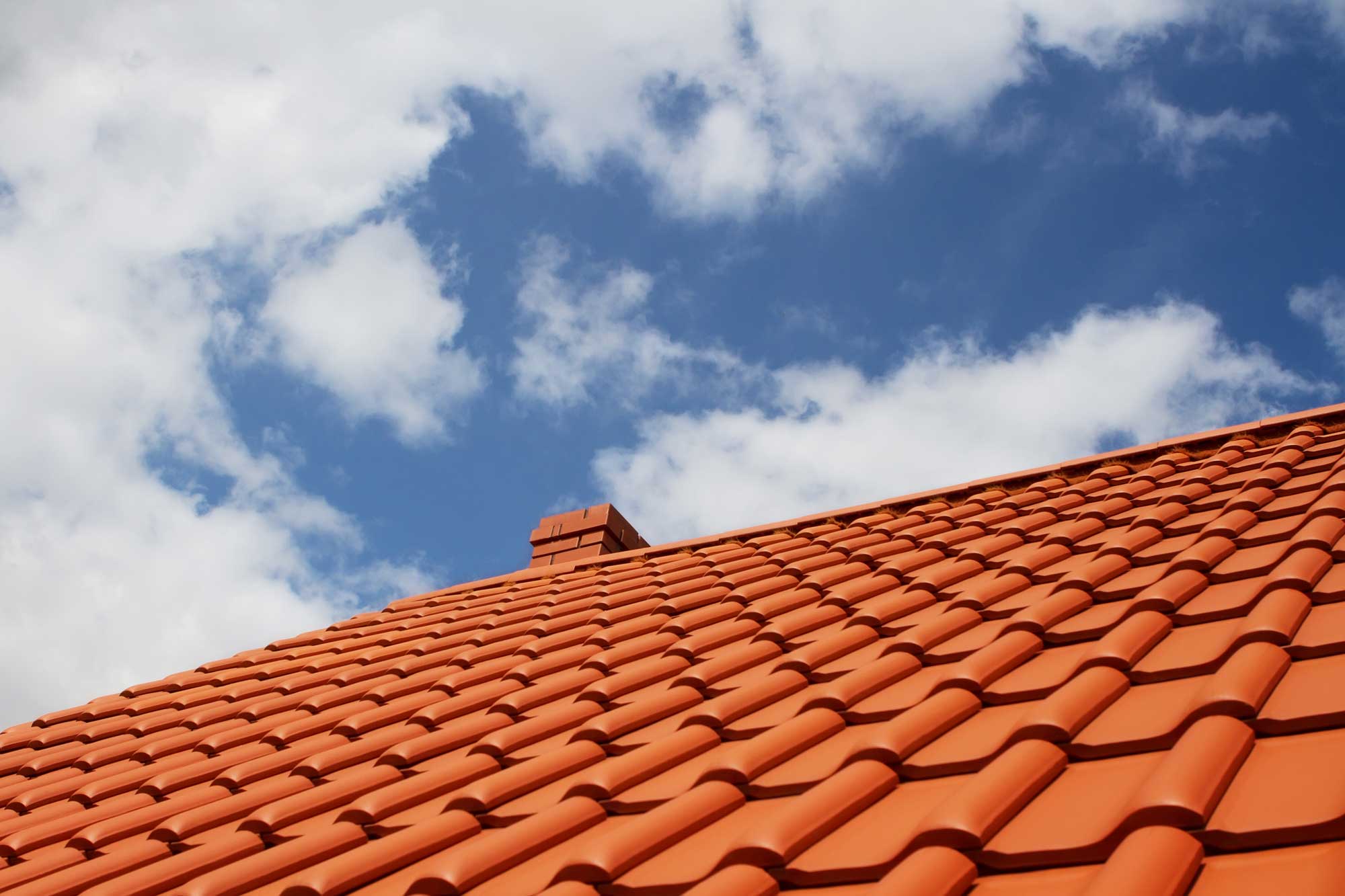
Hip roofs are a popular roofing style known for their distinctive four-sloped design and practical benefits. This type of roof features four sides that slope downward to meet at a central ridge, creating a unique architectural style. Excellent roofing contractors often recommend hip roofs for their stability, durability, and weather resistance. Understanding the key features and advantages of hip roofs helps homeowners make informed decisions about their roofing needs. This guide explains what makes hip roofs special and why they might be the right choice for your home.
Definition of Hip Roof
A hip roof has four sloping sides that meet at a ridge at the top, unlike gable roofs, which have only two sloping sides. All four sides slope downward at similar angles, creating a pyramid-like shape when viewed from above. This symmetrical design complements both traditional and modern architectural styles. The uniform sloping gives hip roofs their distinctive, balanced appearance and contributes to their practical benefits.
Sleek Architectural Design
Hip roofs offer clean, attractive lines that enhance the visual appeal of buildings. The symmetrical four-slope design creates a balanced look that’s pleasing from all angles. Unlike gable roofs, which can appear unfinished from certain views, hip roofs look attractive from every direction. The sloping sides create interesting shadows and depth, adding character to exterior designs. This classic appearance has remained popular because it complements various home styles and increases property value through improved curb appeal.
Enhanced Stability and Durability
Hip roofs are renowned for their exceptional structural strength and ability to withstand severe weather conditions. Several design features contribute to this enhanced stability:
- Distributed Weight: The four sloping sides spread the roof’s weight evenly across the building’s frame, preventing stress concentration in any single area.
- Wind Resistance: The sloped design on all sides reduces wind resistance by deflecting airflow rather than creating flat surfaces for wind to push against.
- Snow Shedding: The angled slopes help snow slide off naturally, preventing dangerous accumulation that could overload the roof structure and cause damage.
- Enhanced Support: The inward slope of all four sides creates a self-bracing effect, adding structural integrity to the entire roof system.
These features make hip roofs particularly suitable for areas with severe weather conditions, including high winds, heavy snow, or frequent storms.
Efficient Drainage System
Hip roofs naturally direct water away from buildings, reducing the risk of leaks and damage. The four-sided slope design means rainwater flows toward the edges, where gutters collect and channel it away from the foundations. This prevents water from pooling on roof surfaces, which could cause leaks or structural damage. Consistent slopes on all sides mean fewer flat areas where debris can accumulate and block water flow. Proper gutter installation around the perimeter captures water efficiently from all directions, protecting both the roof structure and the building foundation.
Energy Efficiency and Cost Savings
Hip roofs can offer significant energy efficiency benefits, resulting in cost savings over time. Here are the main ways hip roofs help reduce energy costs:
- Improved Insulation: The compact design reduces the surface area exposed to outside temperatures, making it easier to maintain comfortable indoor temperatures with reduced energy consumption.
- Enhanced Ventilation: The sloped design promotes natural air circulation in the attic space, reducing the need for mechanical ventilation and lowering cooling costs.
- Durability and Longevity: Hip roofs typically last longer and require fewer repairs than other roof styles, resulting in lower maintenance and replacement costs over time.
- Potential for Solar Panel Installation: The large, evenly sloped surfaces provide ideal positioning for solar panels, which can generate energy and reduce electricity bills.
These energy-efficient features make hip roofs an economically smart choice for long-term homeownership.