

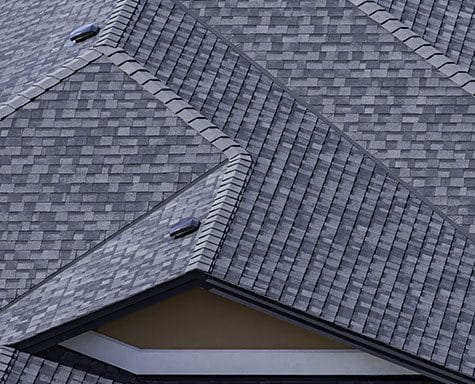
A reliable roofing team often recommends gable roofs as one of the most popular and practical roof styles for homes. Gable roofs feature a classic triangular shape with two sloped sides that meet at a peak, creating the distinctive look many people associate with traditional houses. Understanding the basics and features of gable roofs helps homeowners make informed decisions about their roofing needs. This guide covers the origins, design elements, advantages, variations, and maintenance requirements of gable roofs.
Origins of Gable Roofs
Gable roofs have been used for thousands of years, dating back to ancient civilizations like Egypt and Greece. The Egyptians used gable roofs to deflect harsh sunlight and protect homes from desert heat. Greek architects incorporated gable roofs into temples and public buildings, using them to showcase symmetry and grandeur in their designs. The simple yet effective design made gable roofs popular because they shed water efficiently and were relatively easy to build. Over time, this roof style spread worldwide and became a standard choice for residential construction. Today, gable roofs remain popular because they combine practical benefits with an attractive appearance, making them suitable for many different architectural styles and climates.
Design Elements and Structure
Gable roofs have several key design elements that make them both functional and attractive:
- Pitch Angle: The steepness of the roof slope affects both appearance and performance – steeper pitches shed water better, while gentler slopes may be more economical to build.
- Ridge: The ridge is the highest point where the two roof sections meet, forming the peak that gives gable roofs their distinctive triangular shape.
- Trusses: These structural frameworks provide support for the roof, distributing weight evenly and ensuring the roof remains stable over time.
These elements work together to create a roof that’s both structurally sound and visually appealing.
Advantages of Gable Roofs
Gable roofs offer several key benefits that make them a popular choice among homeowners. The steep pitch allows rain, snow, and debris to slide off easily, preventing buildup that could cause leaks or damage. This efficient water shedding helps protect the home’s structure and foundation. Gable roofs also provide good ventilation because the triangular shape allows hot air to rise and escape through the peak while cooler air enters through the eaves. This natural air circulation helps regulate indoor temperatures and can reduce energy costs. The simple design of gable roofs makes them less expensive to build and maintain compared to more complex roof styles. Additionally, the attic space created by gable roofs can be used for storage or even converted into living space, adding value to the home.
Common Variations and Styles
Several variations of gable roofs allow homeowners to customize their roof’s appearance and functionality:
- Cross Gable Roof: This style features two or more gable sections that intersect at right angles, creating a more complex and interesting architectural design.
- Dutch Gable Roof: This design combines gable and hip roof elements, featuring a gable with small hip sections at the top for a unique blend of traditional and modern looks.
- Front Gable Roof: Common in colonial-style homes, this variation places the gable at the front of the house, creating visual interest and emphasizing the entrance.
Each variation offers different aesthetic and functional benefits while maintaining the basic advantages of gable roof design.
Maintenance Tips and Considerations
Regular maintenance keeps gable roofs in good condition and extends their lifespan. Inspect the roof regularly for missing, cracked, or curling shingles that could allow water to penetrate. Inspect the flashing around vents, chimneys, and skylights for signs of rust or damage that could cause leaks. Keep tree branches trimmed back from the roof to prevent damage from rubbing or falling limbs. Clean gutters and downspouts regularly to ensure proper drainage and prevent water backup. Remove debris, such as leaves and branches, that can trap moisture and cause rot. Schedule professional inspections at least once a year to catch problems early before they become expensive repairs. Address any issues promptly to prevent small problems from becoming major damage.